



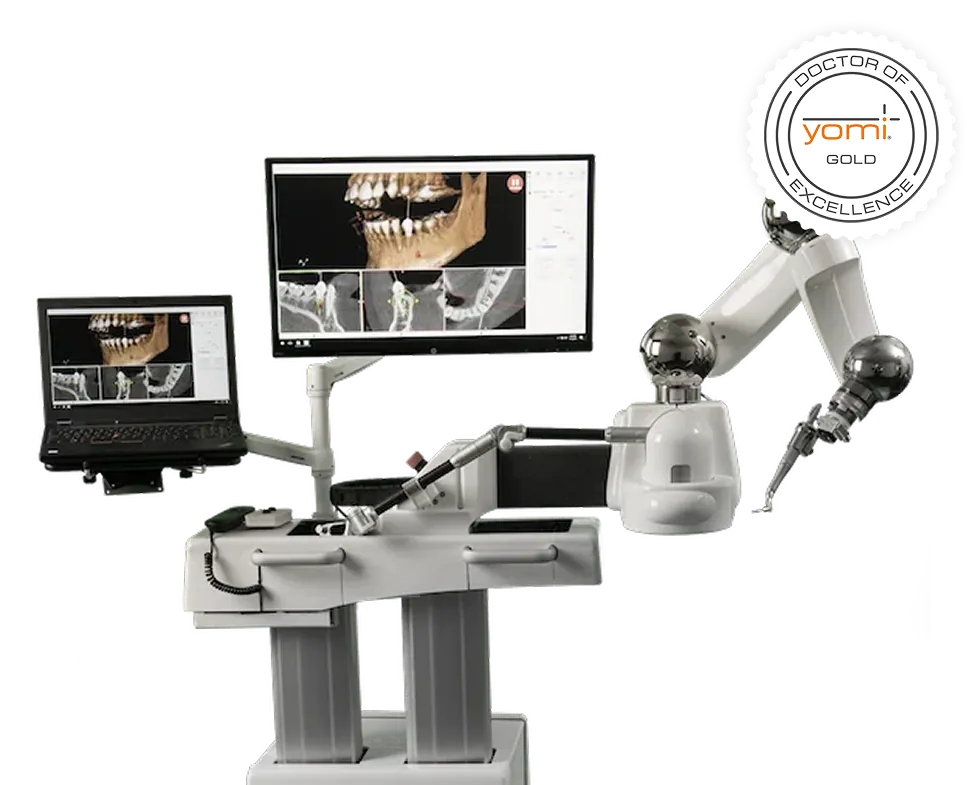
What the robot actually does
People sometimes picture a machine doing surgery on its own. That is not how Yomi works. Think of it more like a guide rail. Your doctor holds the drill, and it is connected to a robotic arm. The arm knows the plan made from your 3D scan. If the drill starts to drift from the planned angle or depth, the arm gently resists, so the doctor can stay on course.
The system also tracks small movements of your head during the procedure and adjusts in real time. That means the plan stays lined up with your jaw even if you shift slightly in the chair.
Why precision matters for an implant
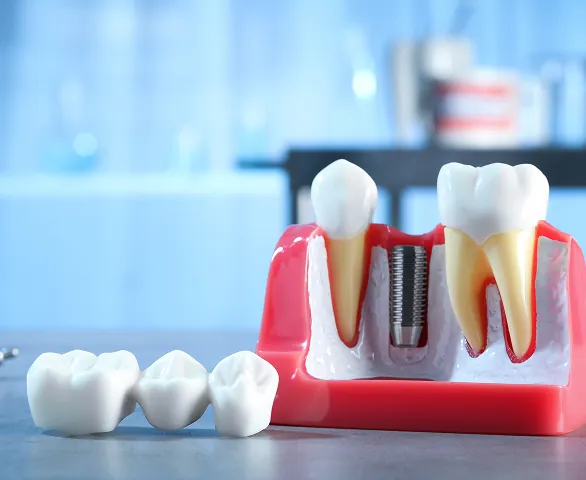
An implant sits close to important structures. The lower jaw holds a nerve that supplies sensation to your lower lip and chin. In the upper jaw, the sinus can sit just above the bone. Neighboring tooth roots are often only a few millimeters away.
Placing the post in the right spot also helps the final tooth look natural and take bite forces evenly. A well-positioned implant is generally easier to clean, which supports gum health for years to come. For a practice focused on periodontal care, that long-term picture is a big part of why guided placement appeals to us.

Yomi robot-assisted implants in Fort Worth, TX: who is a candidate
Many adults who qualify for a regular implant can also have it placed with Yomi. It can be used for one tooth, several teeth, or full-arch cases. Your doctor will review your scan and decide whether robotic guidance adds value for your situation.
Some cases may still be better suited to a traditional approach, depending on the location and any grafting needs. We will tell you which method we recommend and why.
- Missing one or more teeth with adequate bone or a planned graft
- Implants near a nerve, sinus, or tight space between teeth
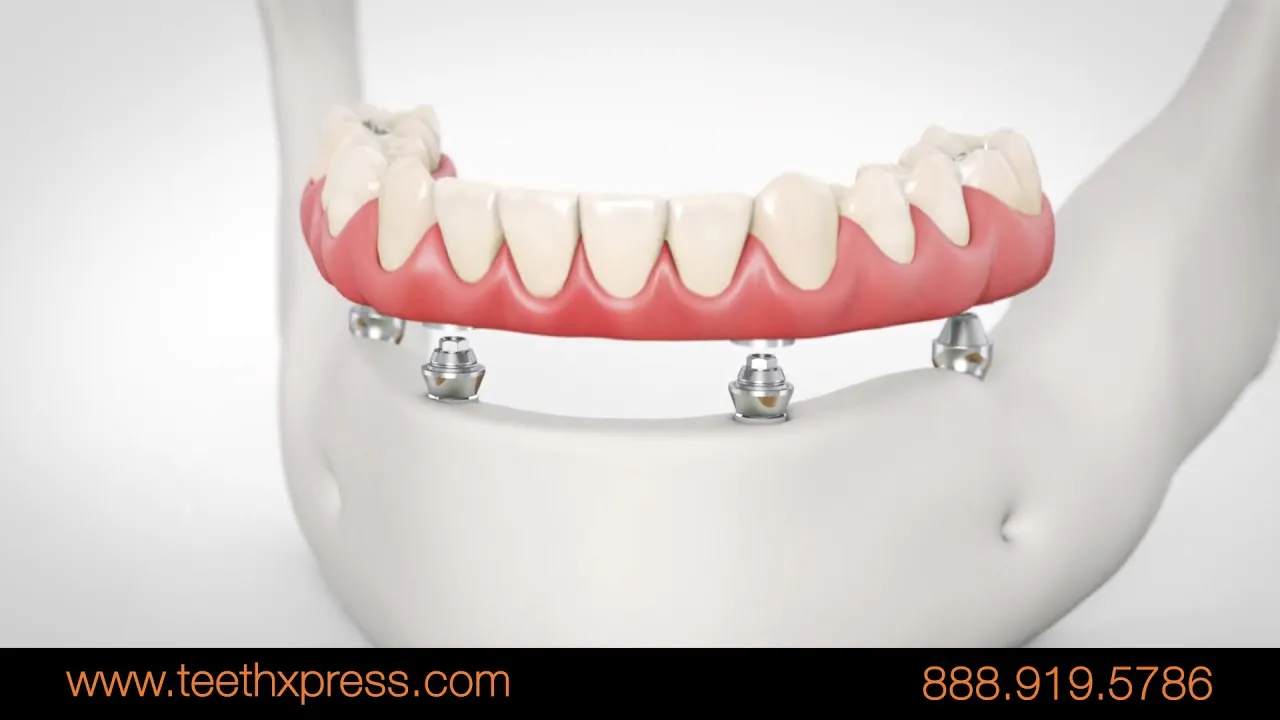
- Full-arch cases that need several implants placed at precise angles
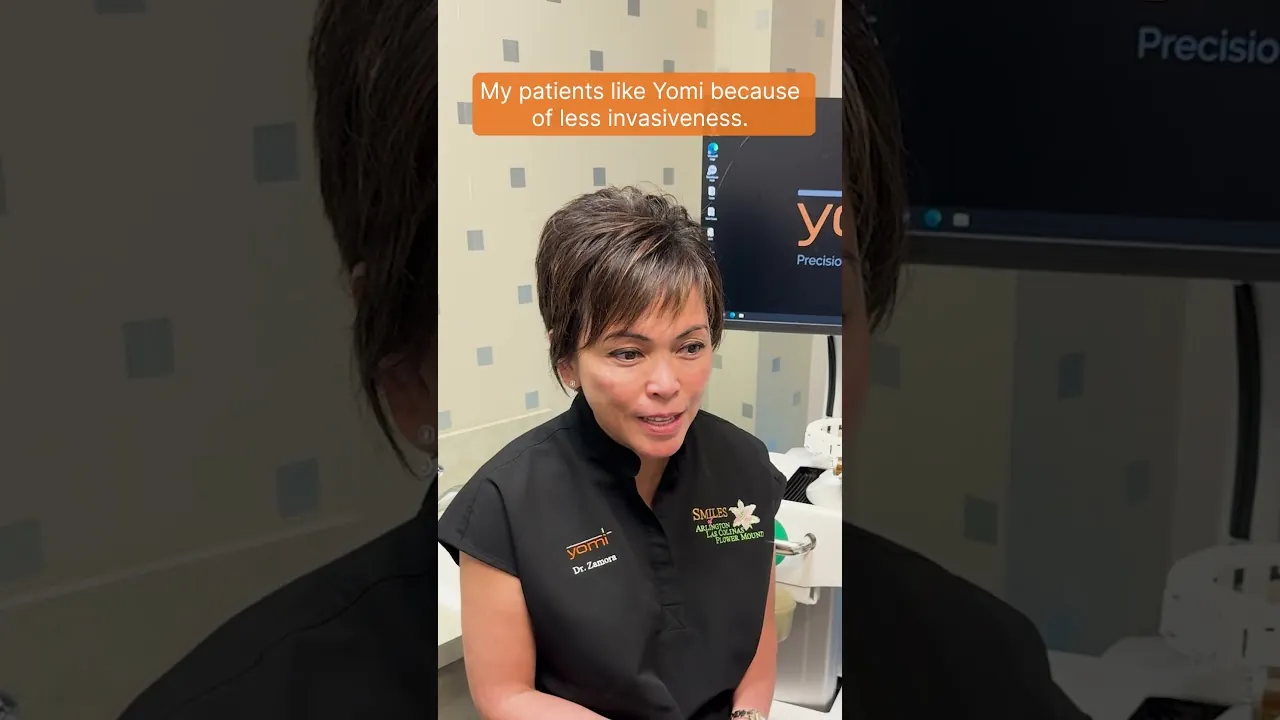
- Patients hoping for a smaller incision and a quicker visit
What patients often notice
Because the doctor can follow the plan closely, many Yomi cases can be done through a small opening in the gum rather than a larger flap. When that is possible, patients often report less swelling and soreness afterward. Results vary from person to person, and some cases still need a traditional incision.
There are no bulky printed guides to fit in your mouth, which some patients find more comfortable. And since planning can happen digitally, the time between your scan and surgery may be shorter than with lab-made guides.
Part of a full implant team
Yomi is a tool, and tools work best in skilled hands. Smiles Family Dental has invested in robotic implant surgery across our group, and our team has earned Yomi Gold recognition. Here on Hulen St., that guided approach pairs with careful gum assessment, grafting when needed, and restorations designed in-house.
Patients from nearby neighborhoods like Tanglewood and Westcliff can have their consult, scan, surgery, and follow-up visits all at one location. If you have a fear of dental work, IV sedation is available for robotic cases just as it is for traditional ones.
Robotic guidance compared with other methods
Implants have been placed in three main ways. The first is freehand, where the doctor relies on training, x-rays, and a steady hand. Many excellent implants are placed this way every day. The second uses a printed surgical guide, a plastic tray made from your scan that snaps over your teeth and steers the drill through small holes.
Yomi is a third path. It follows the same digital plan a printed guide would, without the tray. Because the plan lives in software, your doctor can make small changes on surgery day if the bone looks different than expected. The robotic arm also allows the drill to reach back teeth in mouths that do not open very wide, which can be tricky with a bulky guide.
No method removes the need for skill and judgment. What robotic guidance adds is a consistent check on angle and depth from the first drill to the last. For patients who like knowing exactly how their surgery will go, that predictability can bring real peace of mind.
Ask about Yomi if you
- Are planning a single or multiple implant
- Have been told an implant site is close to a nerve or sinus
- Want a less invasive approach when possible
- Are considering full-arch implants
- Prefer to see your surgical plan before treatment