

What happens during obstructive sleep apnea
Obstructive sleep apnea, or OSA, happens when soft tissue in the throat relaxes and blocks the airway during sleep. Breathing slows or stops for short periods, then restarts, often with a gasp or snort. This can happen many times an hour without you knowing.
Over time, untreated sleep apnea is linked with high blood pressure, heart problems, daytime sleepiness, and a higher risk of drowsy driving. It is a medical condition that deserves real attention, and it is more common than many people think.
Snoring is a common sign, but not everyone who snores has sleep apnea, and not everyone with sleep apnea snores loudly. That is why a proper sleep test matters before any treatment is chosen.
Who diagnoses sleep apnea?
Only a physician can diagnose sleep apnea. This usually requires a sleep study, either overnight at a sleep center or with a home sleep test your doctor orders. The study measures your breathing, oxygen levels, and how often your airway closes.
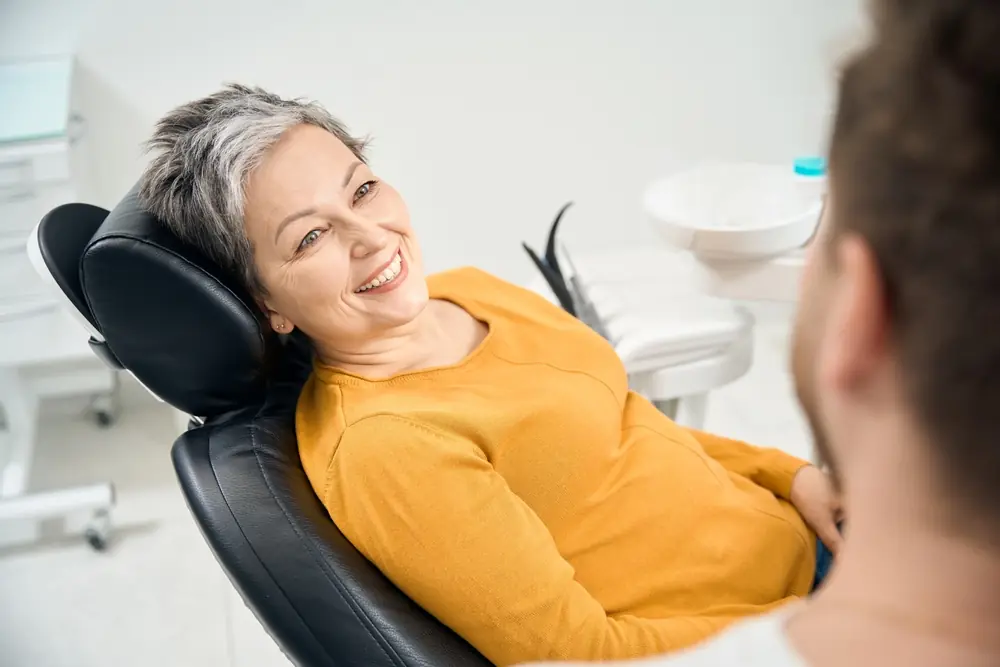
Your dentist plays a different role. During routine exams, we may notice signs such as a scalloped tongue, worn teeth from grinding, or a narrow airway. We ask about snoring and tiredness. If something points to sleep apnea, we refer you to a physician for testing. We do not diagnose the condition ourselves.

Oral appliance therapy for sleep apnea in Fort Worth, TX
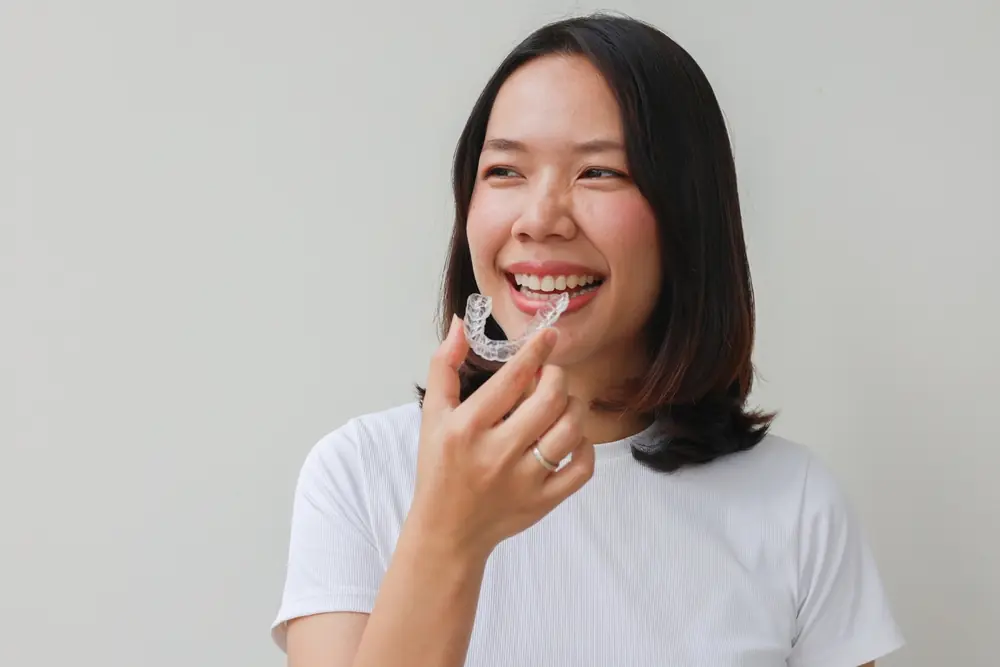
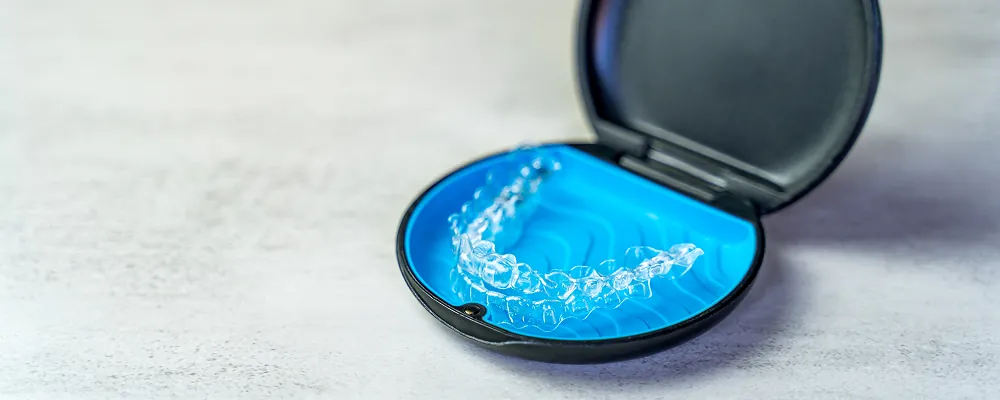
Once a physician confirms OSA and agrees an oral appliance is suitable, we can help. The appliance looks a bit like a sports guard or retainer. It fits over your upper and lower teeth and holds your lower jaw slightly forward. That small shift helps keep the throat from collapsing.
Physicians often consider oral appliances for mild to moderate sleep apnea, or for people with any level who cannot tolerate CPAP. Many patients find an appliance easier to travel with and quieter than a machine. Patients from Westcliff to White Settlement often tell us they finally wear their treatment every night.
Some people have tried CPAP and found the mask uncomfortable, noisy, or hard to keep on. If that sounds like you, talk with your physician about whether an oral appliance could be part of your plan.
- Custom-made from a digital scan of your teeth
- Adjustable so the jaw position can be fine-tuned
- No hoses, mask, or electricity needed
- Small enough to pack in a carry-on
Working with your physician
We keep your doctor in the loop. After you have used the appliance for a while and we have adjusted it, your physician typically orders a follow-up sleep test to confirm it is working. If results show more change is needed, we adjust further or talk about other options together.
Some people do best using an appliance along with CPAP or other therapy. Decisions about your overall sleep care belong to you and your physician, and we support that plan.
Clear notes and test results go back and forth between our office and your physician's office, so nobody has to guess what the other has done.
Protecting your teeth and jaw
An oral appliance asks your jaw and teeth to work a little differently at night. Some people notice jaw stiffness or a slight bite change in the morning, which often eases within an hour. We check your bite and jaw joints at follow-up visits and may give you simple morning exercises.
Because healthy teeth and gums anchor the appliance, we make sure any gum disease or loose teeth are treated before fitting.
Building good nightly habits
An appliance only helps when it is in your mouth all night. Keep it by your bed, and make putting it in part of your routine, like brushing your teeth. In the morning, rinse it, brush it gently with cool water, and let it air dry in its case. Hot water can warp the material.
Other habits can support your treatment. Many physicians suggest limiting alcohol close to bedtime, sleeping on your side when possible, and keeping a steady sleep schedule. Weight changes can also affect how well an appliance works, so let us know if your weight shifts a lot. We can recheck the fit and coordinate with your doctor.
Talk to us if you notice
- Loud, frequent snoring
- A partner says you stop breathing or gasp
- Morning headaches or dry mouth
- Feeling tired even after a full night
- Trouble focusing during the day
- You stopped using CPAP because it felt uncomfortable