




Full dentures, partials, and immediate dentures
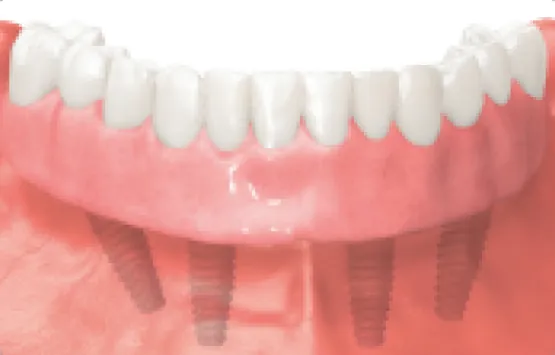
A full denture is a complete set of teeth for one arch. The upper denture covers the roof of the mouth, which helps it stay in place through suction. The lower denture is shaped like a horseshoe to leave room for your tongue.
A partial denture is used when you still have some healthy teeth. It has a frame, often metal or a flexible resin, that clips onto nearby teeth to hold replacement teeth in the gaps. An immediate denture is made ahead of time and placed on the same day remaining teeth are removed, so you are never without teeth while you heal.
- Full denture: replaces all teeth on one arch
- Partial denture: fills gaps and keeps remaining teeth from shifting
- Immediate denture: worn right after extractions during healing
A careful fit for dentures in Fort Worth, TX
Good dentures start with good measurements. We record the shape of your gums, the way your jaws meet, and how much of your teeth show when you speak and smile. You get to weigh in on tooth shape and shade.
Before the final denture is made, many patients try on a wax version. This step lets us check the look, the bite, and how your lips are supported, and make changes while it is still easy to do so. Patients from River Oaks to Crowley often tell us this try-in step makes a real difference in how happy they are with the result.
Getting used to new dentures
There is a learning curve with any denture. Your mouth may produce more saliva at first, some words may sound a little different, and chewing will take practice. Start with soft foods cut into small pieces and chew on both sides at once to keep the denture balanced.
Sore spots are common in the first weeks. They are not something to push through. Call us, and we will make small adjustments to relieve pressure. Most people feel at home with their dentures within a few weeks to a couple of months.
Some patients find that reading out loud for a few minutes each day helps their speech settle faster. A small amount of denture adhesive can also add confidence in the early weeks while your mouth adapts, though a well-fitting denture should not depend on it.
Thinking about more stability?
Over time, the jawbone under a denture tends to shrink because there are no tooth roots to stimulate it. This is why older dentures often feel looser. Relining can refit the base to your gums, and a new denture may be needed every several years.
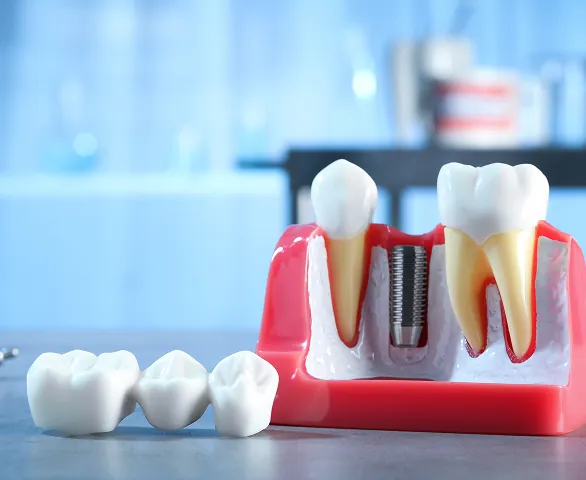
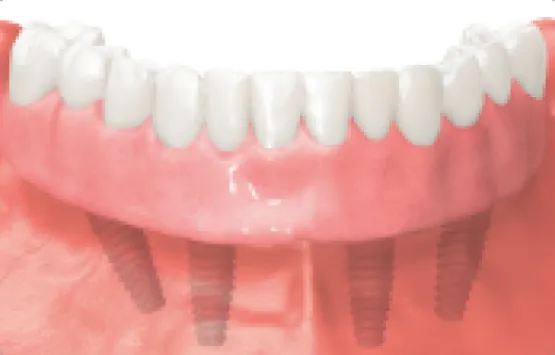
For patients who want a more secure fit, our Fort Worth office is well known for implant care. As few as two implants can turn a lower denture into one that snaps firmly in place. If you are getting a new denture now, we can help plan for implants later, even if you are not ready yet.
Daily denture care
Remove your denture each night so your gums can rest. Brush it with a soft denture brush and a non-abrasive cleaner, since regular toothpaste can scratch it. Keep it in water or a soaking solution so it does not dry out and warp.
Brush your gums, tongue, and any remaining teeth daily as well. Even with a full denture, yearly checkups matter. We look for signs of irritation, check the fit, and screen for oral cancer.
Choosing the right teeth and materials
Dentures today look far more natural than many people expect. The teeth come in a wide range of shapes, sizes, and shades. Softer, rounded shapes can give a gentle look, while squarer teeth may suit a stronger jawline. We help you choose teeth that fit your face and personality, not just a stock set.
The base can be tinted to match the color of your gums. For partials, a thin metal frame is often the most durable, while a flexible resin can be more comfortable for some people and avoids visible metal clasps. Your dentist will explain the trade-offs in strength, comfort, and cost so you can pick what works for you.
Dentures may be an option if you
- Are missing many or all teeth in an arch
- Have several teeth that cannot be saved
- Want an affordable way to restore your smile
- Need replacement teeth after extractions
- Have an old denture that no longer fits