





Reasons a tooth may need to come out
Most teeth that need removal have reached a point where repair would not last. Before talking about extraction, we ask whether the tooth can be saved with a filling, crown, root canal, or gum treatment.
If there is a reasonable way to keep the tooth, we will tell you about it, along with the pros and cons of each path.
- Decay that has destroyed too much of the tooth
- A crack running down into the root
- Severe bone loss from gum disease
- An infection that has not responded to other treatment
- Crowding that needs space before orthodontic care
- Baby teeth that will not fall out on their own
Simple versus surgical extractions
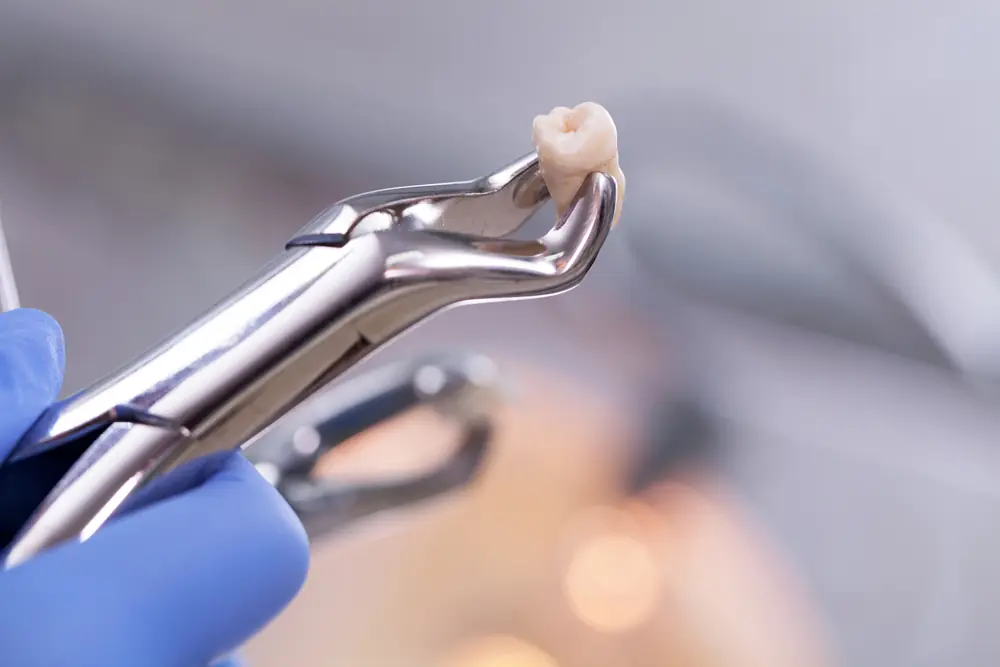
A simple extraction is for a tooth that is fully visible and in one piece. After numbing, the tooth is loosened and lifted out. This is usually quick.
A surgical extraction is used when a tooth is broken at the gumline, has curved roots, or is not fully through the gum. The tooth may be gently divided into smaller pieces so it comes out with less force on the surrounding bone. Because our office focuses on gums and bone, protecting that bone is a priority in every removal.
Before any surgical extraction, we review your scan so we know the shape of the roots and where nearby nerves and sinuses sit. That planning helps keep the visit smooth and lowers the chance of surprises.
Tooth extractions in Fort Worth with comfort in mind
Many people feel nervous about having a tooth pulled. For tooth extractions in Fort Worth, we start with thorough local anesthesia and check that the area is fully numb before beginning. You will feel pressure, but you should not feel sharp pain.
For patients who want to be more relaxed, IV sedation is available. We go over the options, along with what each means for driving home and the rest of your day. Smiles Family Dental also offers emergency appointments when a tooth suddenly breaks or becomes painful.
Thinking ahead to tooth replacement
When a tooth comes out, it leaves more than a gap. Nearby teeth may tilt into the space, the opposing tooth may drift, and the bone can shrink. For back teeth, chewing can become uneven.
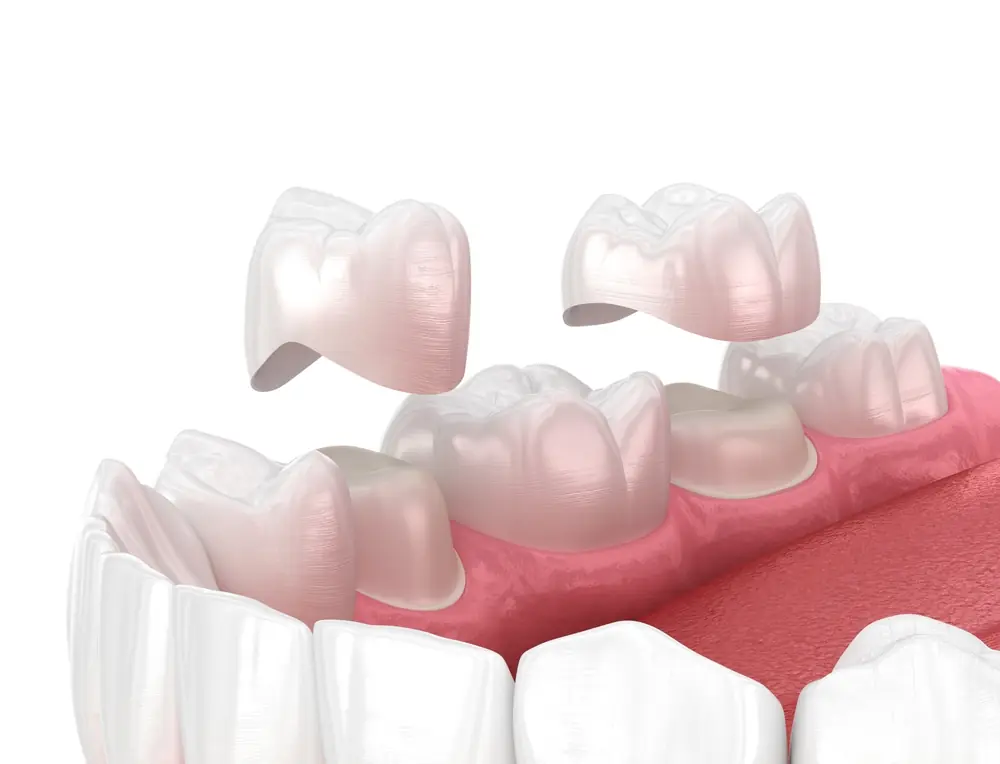
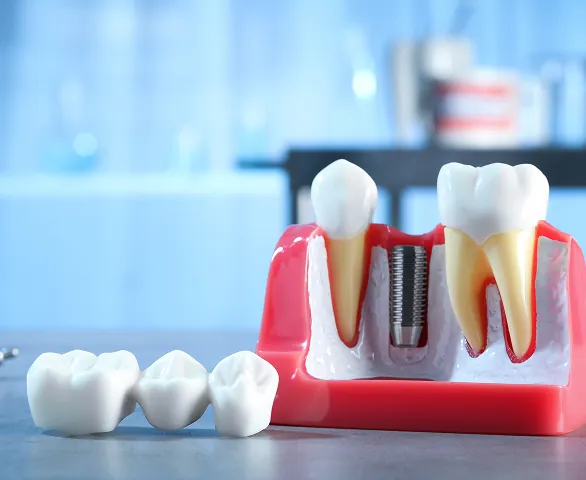
We talk about replacement before the extraction so you can make choices at the right time. If an implant is the plan, socket preservation may be done in the same visit. Smiles Family Dental also offers bridges, dentures, and full-arch implant options for patients replacing several teeth.
Aftercare that helps you heal
A blood clot forms in the socket within the first day, and protecting that clot is the most important thing you can do. Avoid straws, smoking, spitting, and hard rinsing for at least 24 hours. Rest, keep your head slightly raised, and use cold packs on the cheek for the first day.
Soft foods like yogurt, eggs, and soup are easiest. Gentle salt water rinses can begin the next day. Call our office if pain gets worse after a few days, since that can be a sign of dry socket. If you live near Westcliff or Wedgwood, our Hulen St. office is close for quick follow-up checks.
Extractions for kids, teens, and seniors
Extractions look a little different at each stage of life. Children sometimes need a baby tooth removed when it is badly decayed or will not loosen on its own and is blocking the adult tooth underneath. Teens may need teeth removed to make room before orthodontic care. We take extra time with younger patients to explain each step and keep them calm.
Older adults are more likely to take blood thinners or other medications that affect healing. Bring a list of everything you take, including supplements, and we will review it before the visit. In some cases we coordinate with your physician to plan the safest approach.
For anyone with a medical condition such as diabetes, heart disease, or a history of bisphosphonate use for bone health, the details matter. Letting us know ahead of time helps us plan an extraction that heals well. No question is too small to ask before your appointment.
You may need an extraction if you have
- Severe tooth pain that does not go away
- A tooth broken below the gumline
- A tooth loosened by gum disease
- Swelling or infection around one tooth
- Crowded teeth before orthodontic treatment
- A baby tooth blocking an adult tooth