




What happens at a checkup
A routine visit has two parts. First, a hygienist cleans your teeth. They remove tartar, the hard buildup that forms when plaque sits too long, then polish away surface stains and floss between each tooth.
Next, your dentist examines your mouth. We look for cavities, cracks, worn fillings, and signs of grinding. We also check your tongue, cheeks, and throat for anything unusual as part of an oral cancer screening.
If it has been years since your last checkup, your first visit may take a bit longer. Heavy tartar sometimes needs a second appointment to remove comfortably, and that is perfectly normal.
Dental cleanings and exams in Fort Worth, TX with a focus on gums
Our Hulen St. office has long been known for periodontal care, and that focus shapes every checkup. Gum disease often causes no pain in its early stages, so many people do not know they have it.
At regular visits, we gently measure the small space between each tooth and the gum. Healthy gums usually have shallow pockets. Deeper pockets, bleeding, or recession can point to gum disease that needs more than a standard cleaning. Finding it early often means simpler, less costly treatment.
If you have had gum disease before, we may recommend periodontal maintenance visits in place of standard cleanings. These are often scheduled every three or four months to keep bacteria under control.
- Gum pocket measurements at regular intervals
- A check for bleeding, swelling, and recession
- Bone level review on digital X-rays
- A plan for deeper cleaning if needed

Checkups for the whole family
We see patients of all ages. Children usually start dental visits around their first birthday or when the first tooth appears. Early visits help kids get comfortable and let us spot problems with tooth growth.
For kids and teens, we may suggest fluoride varnish and sealants, which are thin coatings that protect the chewing surfaces of back teeth. Parents from Wedgwood and River Oaks often book back-to-back visits so the family can be seen in one trip.
We also talk with older kids and teens about sports mouthguards, wisdom teeth, and how braces or aligners affect daily brushing. Teens tend to listen better when we explain the reasons in plain terms.
Why digital X-rays are part of the plan
Some problems hide where we cannot see them, such as decay between teeth, infection at a root tip, or bone loss. Digital X-rays let us find these early. Their radiation dose is far lower than old film X-rays, and images show up on screen in seconds.
We only take X-rays when they are needed, based on your age, history, and risk. We will show you the images and explain what we see.
If you have dental anxiety, let us know before your visit. We can explain each step as we go, take breaks, and use numbing gel or nitrous oxide when needed.
Keeping your mouth healthy between visits
What you do at home matters as much as what we do in the office. Brush for two minutes twice a day with fluoride toothpaste. Clean between your teeth once a day with floss, picks, or a water flosser.
Limit sugary drinks and snacks, especially sipping all day. If you smoke or vape, quitting helps both your gums and your overall health. We are happy to suggest tools that make home care easier, such as a power toothbrush.
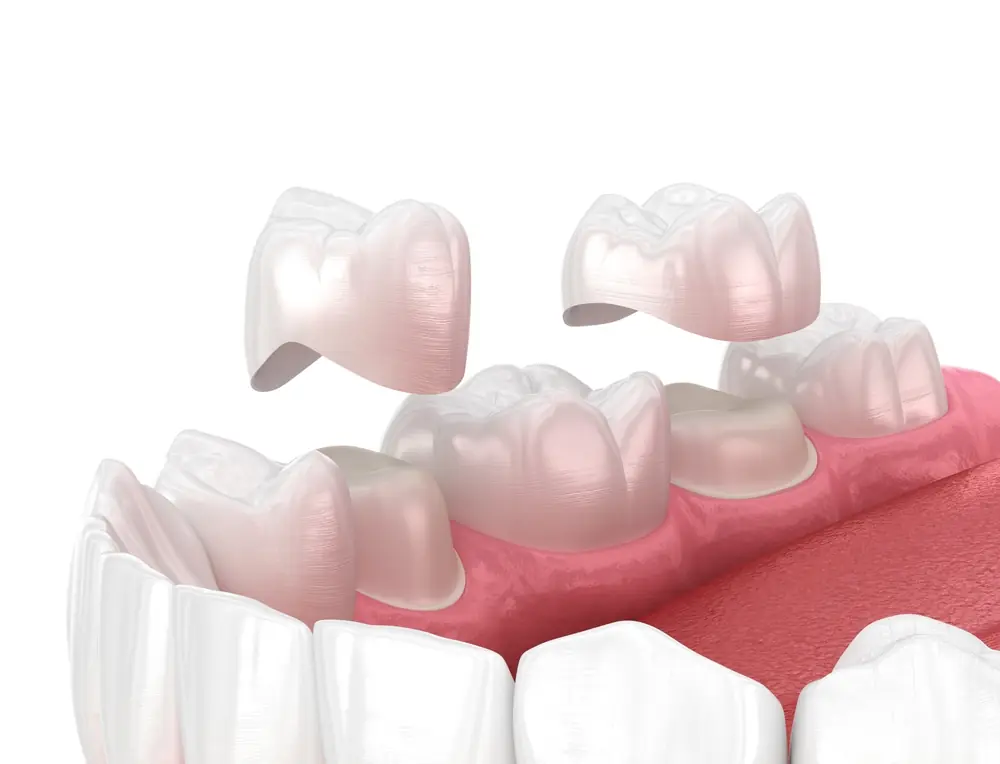
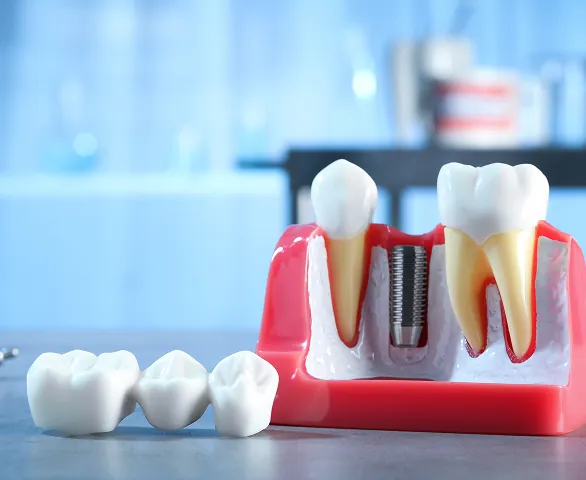
Bring a list of questions to your visit. Our team is happy to show you the best way to floss around crowns, bridges, implants, or braces.
Your mouth and your overall health
Research has linked gum disease with other health conditions, including diabetes and heart disease. The connection is still being studied, but we know inflammation in the gums does not stay isolated. People with diabetes, for example, often find blood sugar harder to control when gum disease is active.
Pregnancy can also make gums puffy and more prone to bleeding, and routine cleanings are safe and helpful during that time. Let us know about changes in your health or medicines at each visit. Some medicines cause dry mouth, which raises the risk of cavities. Small adjustments to your care can make a big difference over time.
Book a visit soon if
- It has been more than six months since your last cleaning
- Your gums bleed when you brush or floss
- You have bad breath that does not go away
- A tooth feels sensitive to sweets or cold
- Your child has never seen a dentist
- You are pregnant or have diabetes