





What happens inside an infected tooth
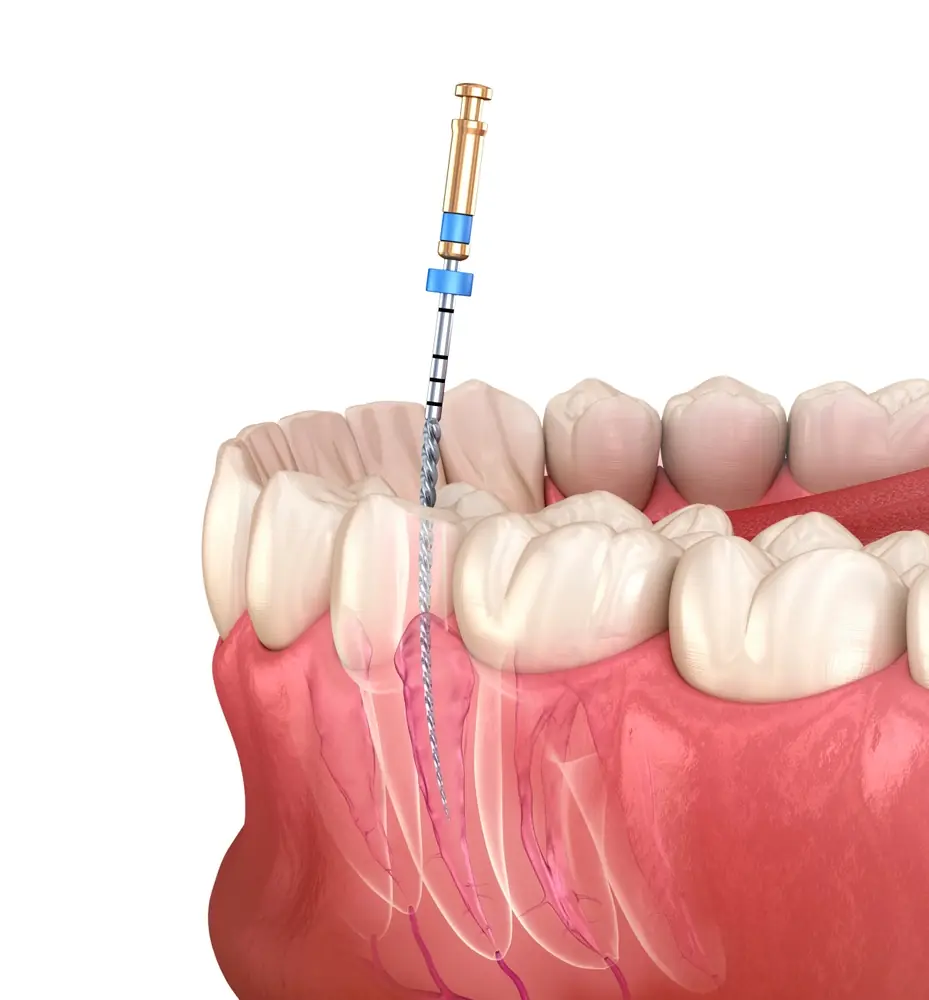
Under the hard outer layers of a tooth is a soft core called the pulp. It holds nerves and blood vessels and runs down through narrow canals inside each root. Deep decay, a crack, or a hard hit can let bacteria reach the pulp.
Once infected, the pulp cannot heal on its own. Pressure builds, which is why the pain can be intense and may throb or keep you up at night. Left untreated, infection can spread into the bone at the tip of the root and form an abscess.
Not every toothache means a root canal, and not every infected tooth hurts. Sometimes an infection is found on a routine x-ray before any pain starts. Testing the tooth with cold, gentle tapping, and imaging helps your dentist tell the difference.
Root canal therapy in Fort Worth, TX, step by step
We begin by numbing the tooth well. Many patients are surprised that the procedure feels much like getting a filling. A small rubber sheet keeps the tooth dry and clean while we work.
Your dentist makes a small opening in the top of the tooth, removes the damaged pulp, and gently shapes and disinfects each canal. The canals are then filled with a rubber-like material and sealed. Digital x-rays help confirm that every canal has been treated. A temporary filling closes the opening until your permanent restoration is placed.
Why saving the natural tooth is worth it
Removing a badly infected tooth is sometimes the right call, and our team does that when needed. When a tooth can be saved, though, keeping it usually has advantages. Your natural root keeps the bone around it healthy, holds neighboring teeth in place, and feels completely normal when you chew.
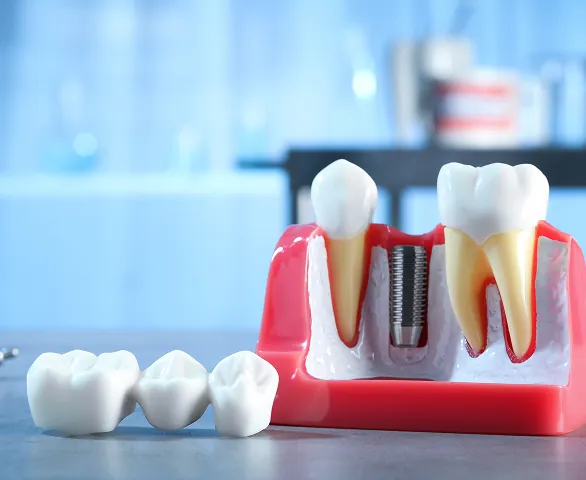
Replacing a pulled tooth with an implant or bridge is an excellent option, but it typically takes more time and more visits. We will tell you honestly whether a tooth has a good outlook with a root canal or whether removal and replacement makes more sense.
- Keeps your own tooth and root in place
- Stops the source of infection and pain
- Helps prevent bone loss around the tooth
- Usually faster than extraction plus replacement
Protecting the tooth afterward
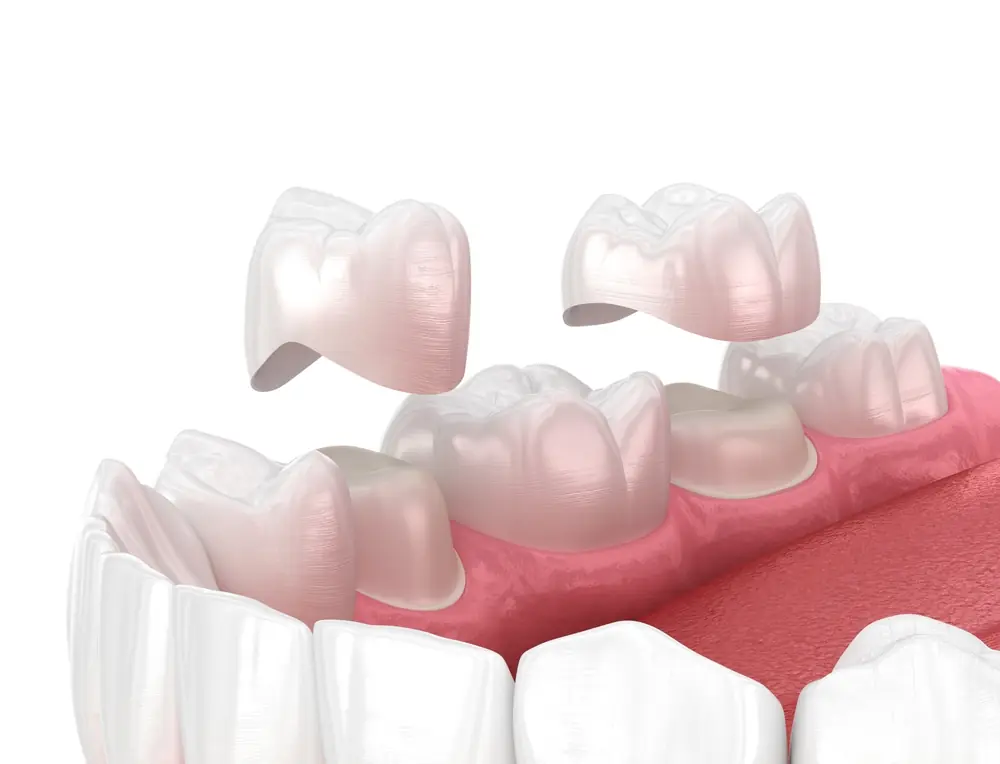
A tooth that has had a root canal no longer has a living pulp, so it can become more brittle over time. Molars and premolars, which handle heavy chewing, usually need a crown to prevent cracking. Front teeth may only need a filling.
Try not to chew hard foods on the treated tooth until the final crown or filling is in place. This helps avoid a fracture that could make the tooth harder to save.
Your final restoration is often placed within a few weeks of the root canal. Waiting too long raises the chance of a crack or new bacteria seeping past the temporary filling, so we will help you schedule that visit before you leave.
Getting help fast
Tooth pain does not wait for a convenient time. Smiles Family Dental offers emergency appointments, and the Fort Worth office on Hulen St. is a short drive for families in Fairmount, Westover Hills, and nearby areas. If you have swelling in your face, fever, or trouble swallowing, call right away or seek urgent care.
If you are nervous about treatment, let us know. Sedation options can help you feel calm and comfortable from start to finish.
Myths about root canals
Root canals have a scary reputation, much of it left over from decades ago. Modern numbing and techniques have changed the experience a great deal. Most patients leave saying it was far easier than they feared, and many feel relief from the pain that brought them in.
Another common belief is that removing the tooth is simpler. Extraction can be the right choice in some cases, but losing a tooth creates new problems, like shifting teeth and bone loss, that usually need more treatment later. Some people also worry that a root canal causes illness elsewhere in the body. That idea is based on old, discredited research, and current evidence does not support it.
If you have questions or concerns, ask us. We are happy to show you your x-rays, explain what we see, and walk through every option, including what happens if you choose to wait.
Signs you may need a root canal
- Lasting tooth pain, especially when chewing
- Sensitivity to hot or cold that lingers
- A tooth that has turned darker
- Swollen or tender gums near one tooth
- A pimple-like bump on the gum
- Pain that wakes you up at night