





Why the upper back jaw loses height
Your maxillary sinuses are air-filled spaces just above the roots of your upper back teeth. In many people, the bone between those roots and the sinus floor is fairly thin to begin with.
When an upper molar is lost, two things often happen. The jawbone shrinks from below, and the sinus tends to expand downward into the space where the roots once were. Over time, there may be only a few millimeters of bone left, which is not enough to hold a standard implant.
This is one of the most common reasons people are told they cannot get upper implants. In many cases, a sinus lift solves that problem.
How a sinus lift creates room
A sinus lift works on the floor of the sinus, below the space where air moves. The sinus membrane, a thin lining much like the skin inside an eggshell, is carefully lifted. Graft material is packed into the new space under it.
As months pass, the graft turns into solid bone that joins with your jaw. That added height gives an implant a deeper, firmer anchor.
The procedure does not affect how you breathe or how your sinus works once it heals. The membrane simply settles into a slightly higher position, resting on top of the new bone.
Two ways we perform a sinus lift in Fort Worth
There are two main methods for a sinus lift in Fort Worth, and the choice depends on how much bone you already have.
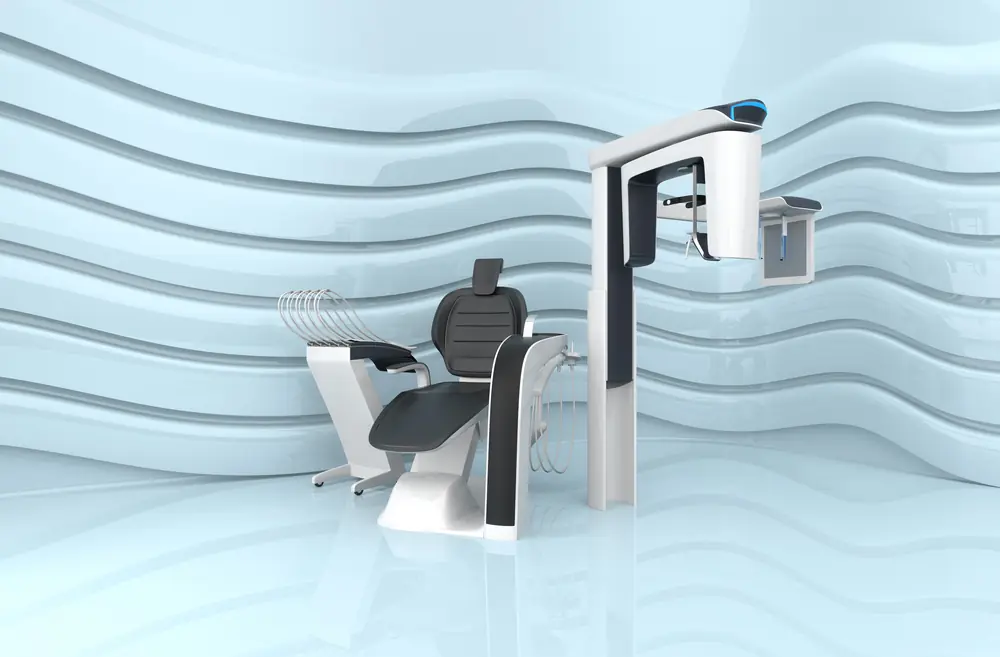
A cone beam 3D scan shows us the shape of your sinus, the thickness of the bone, and the health of the membrane, so we can pick the method that fits.
The crestal method is usually less involved and heals faster, though it can only add a modest amount of height. The lateral window method can add more bone but takes longer to heal.
- Crestal approach, done through the implant site when some height remains
- Lateral window approach, a small side opening when more height is needed
- Same-day implant placement in some crestal cases
- Implant placement after healing when more bone must form
Your health and the sinus
Before a sinus lift, we ask about allergies, sinus infections, past sinus surgery, and breathing issues. Active sinus problems may need to be treated first, sometimes with help from your physician or an ear, nose, and throat doctor. Healthy sinuses heal more predictably.
Smoking slows bone healing and raises the risk of complications. If you smoke, we may ask you to stop for a period before and after surgery.
We also review medications and any history of radiation to the head and neck, since both can affect how bone heals. Clear communication up front helps us plan a safer surgery and a smoother recovery.
Recovery after a sinus lift
Swelling and some bruising on the cheek are common for a few days. Mild nosebleeds or a stuffy feeling may happen on the treated side. To protect the graft, you will avoid blowing your nose hard, sneezing with your mouth closed, using straws, and heavy lifting for about two weeks.
We may prescribe antibiotics, a decongestant, or a rinse. Most people are back at a desk job within a day or two. Follow-up visits are kept short for patients driving in from White Settlement, River Oaks, or nearby.
Sleeping with your head slightly raised for the first few nights can reduce swelling. Plan on a soft diet for several days, and let the untreated side do the chewing. If you feel a sudden gush of air or fluid between your mouth and nose, call our office right away so we can check the area.
From sinus lift to finished tooth
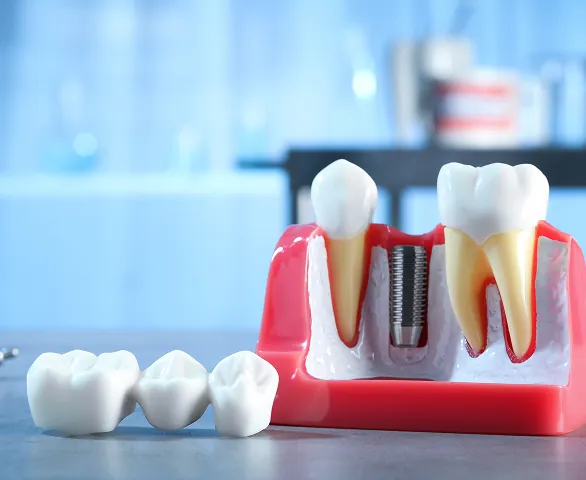
A sinus lift is one step in a longer plan. After the graft matures, an implant is placed and given time to fuse with the bone. Then a crown is attached. When the new bone has matured, the implant can be placed with help from Yomi, the robot-assisted system our practice uses.
The full timeline is often a year or more. That can feel long, but the result is a tooth replacement that can last many years with good care. Your written plan lays out each stage so there are no surprises along the way.
A sinus lift may be needed if
- You are missing upper molars or premolars you want to replace
- You were told there is not enough bone for upper implants
- An upper back tooth needs to be extracted
- You have worn an upper denture for many years
- X-rays show bone loss near the sinus floor
- You are planning full-arch implants on the upper jaw