



Two main reasons for crown lengthening
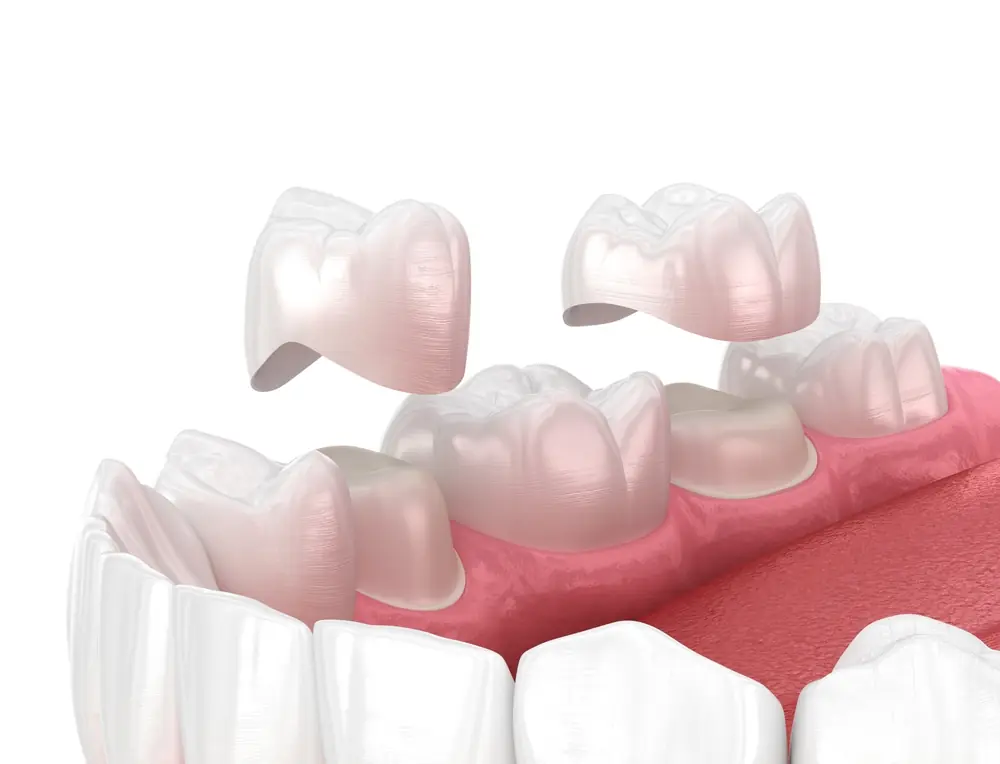
The first reason is functional. When a tooth breaks or decays near or below the gumline, there may not be enough healthy tooth above the gum for a crown to grip. Without that space, a crown can loosen, leak, or irritate the gums. Crown lengthening uncovers more sound tooth so the new crown fits securely.
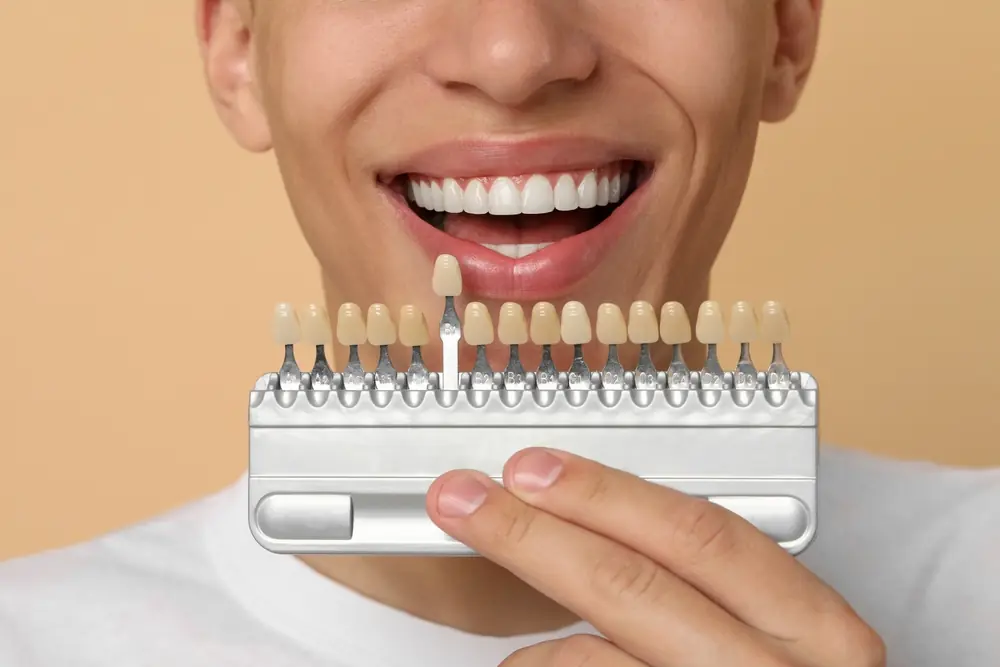
The second reason is cosmetic. Some people have teeth that look short because extra gum covers part of the enamel. Reshaping the gumline can reveal the full height of the teeth and create a more even smile.
Sometimes both reasons apply at once. A front tooth may need a new crown, and the gumline around it may sit lower than the teeth next to it. In that case, crown lengthening can solve the fit problem and the cosmetic one in a single step.
Why the gums need room around a crown
Healthy gums attach to the tooth at a natural distance above the bone. If a crown edge sits too deep and crowds that zone, the gum may stay red, swollen, and sore for as long as the crown is there. Over time, bone can be lost.
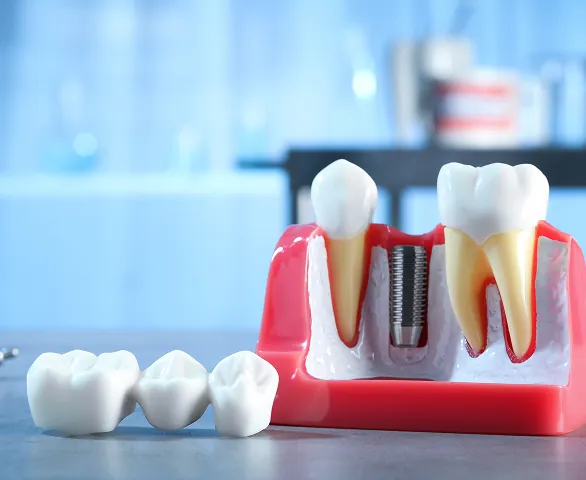
Crown lengthening resets that space. By moving the gum and bone to a healthier position, the crown can sit where it should without crowding the tissue. Your restorative dentist gets a better foundation to work with.

Crown lengthening in Fort Worth for a gummy smile
For cosmetic cases, crown lengthening in Fort Worth is often planned alongside other smile work. Smiles Family Dental uses Digital Smile Design to preview how a new gumline could look before any treatment begins. Seeing the plan first helps you decide with confidence.
Gum reshaping pairs well with porcelain veneers, crowns, or whitening. Sometimes a gummy smile comes from how the upper lip moves or how the jaw developed. In those cases, gum reshaping alone may not be enough, and we will tell you honestly what is behind your smile and what is likely to help.
What happens during the procedure
After numbing the area, we gently reshape the gum tissue. If bone needs adjusting, a small flap of gum is lifted, a thin amount of bone is smoothed back, and the gum is stitched into its new position. For gum-only cases, a soft tissue laser may be used, which can mean less bleeding.
One tooth or several can be treated in the same visit. A single tooth often takes under an hour, while a full smile takes longer.
Recovery and next steps
Most people return to work the next day. Expect some tenderness and mild swelling for a few days. You will brush the area gently, avoid chewing on it, and keep it clean with a rinse if we prescribe one. Stitches, if used, usually dissolve or are removed within one to two weeks.
For restorative cases, the gums need time to settle before your final crown is made. That is often about six weeks for back teeth and longer for front teeth, where the gumline needs to be stable for the best look. A temporary crown protects the tooth while you wait. Follow-up visits are quick, which helps if you are coming from Ridglea or Westover Hills on a lunch break.
Coordinating with your restorative dentist
Crown lengthening is rarely a stand-alone treatment. It is usually one step in a plan that ends with a crown, a filling, or veneers. That makes teamwork important. Before surgery, we talk with whoever will be placing your final restoration so the new gumline lands exactly where it needs to be.
If your crown will be done at our office, that coordination happens down the hall. Smiles Family Dental offers crowns, veneers, and digital scanning with iTero, which means fewer messy impressions. If you have a dentist elsewhere, we send our notes and images so they have what they need. Either way, you will know the full sequence and timing before anything begins, and nothing about the next step will catch you off guard. We also check the bite after healing so the finished tooth feels natural when you chew.
Crown lengthening may help with
- A tooth broken off near or below the gumline
- Decay that reaches under the gum edge
- A crown that keeps coming loose
- Gums that stay sore around an existing crown
- Front teeth that look short or square
- An uneven gumline across your smile