

Why people snore
Snoring is the sound of relaxed tissue vibrating as air passes through a narrowed airway. The soft palate, the uvula, and the back of the tongue are common sources. Age, weight changes, alcohol, allergies, and sleeping on your back can all make it worse.
Snoring may seem like a nuisance, but it affects more than one person. Partners lose sleep, and some couples end up in separate rooms. Snoring can also be a sign of sleep apnea, which is why screening comes before any treatment.
Your weight, nasal congestion, and the shape of your jaw can all affect how much you snore. A good screening looks at each of these so we can tell whether NightLase is likely to help.
How NightLase snoring treatment in Fort Worth, TX works
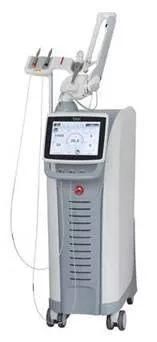
The Fotona laser delivers short pulses of gentle heat to the tissue at the back of the mouth. The heat causes collagen in the tissue to contract and, over the following weeks, encourages new collagen to form. The result is firmer tissue that tends to stay more open during sleep.
No tissue is removed and nothing is cut. Patients usually describe a warm feeling during the session. You can drive yourself home and return to normal activities the same day.
Sessions are usually spaced a few weeks apart. That gap gives the tissue time to respond and build new collagen before the next round of treatment.
- No needles, stitches, or general anesthesia
- No device to wear at night
- Most people resume eating normally right away
- Quick sessions that fit a lunch break
Screening first: snoring versus sleep apnea
Before NightLase, we ask about your sleep, daytime energy, and any breathing pauses a partner has noticed. If your answers point toward sleep apnea, a physician will need to test you with a sleep study. Sleep apnea must be diagnosed by a physician, and it often needs a different treatment plan.
NightLase is mainly intended for snoring. Some physicians use it alongside other therapy for people with mild sleep apnea, but it should not replace treatment your doctor has prescribed.
We may also ask a partner to describe your snoring, since they often notice patterns you cannot, such as pauses, gasping, or snoring that gets louder late at night.
What results can you expect?
Some people notice quieter nights after the first session. For others, change builds over the full series as new collagen forms. Results vary, and not everyone responds the same way. Habits like drinking alcohol near bedtime can still make snoring louder.
The tightening effect is not permanent. Many patients return for a single touch-up session about once a year to maintain results. We track your progress and will be honest if NightLase is not helping enough.
Keeping a simple snoring log can help. Some patients use a free phone app that records sound overnight, so they can compare nights before and after treatment.
A good option for people who dislike mouthpieces
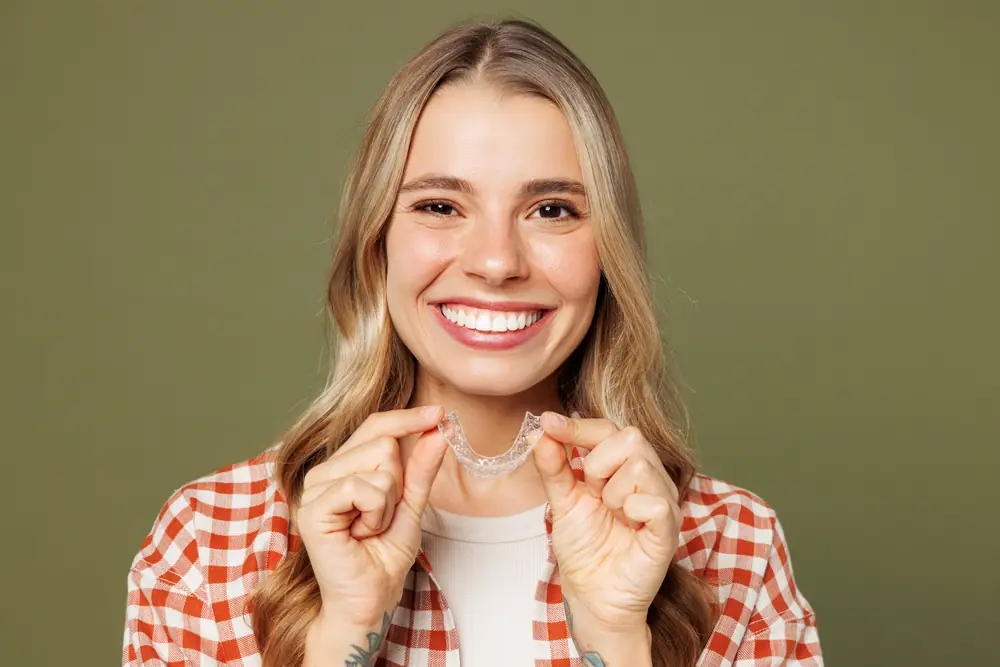
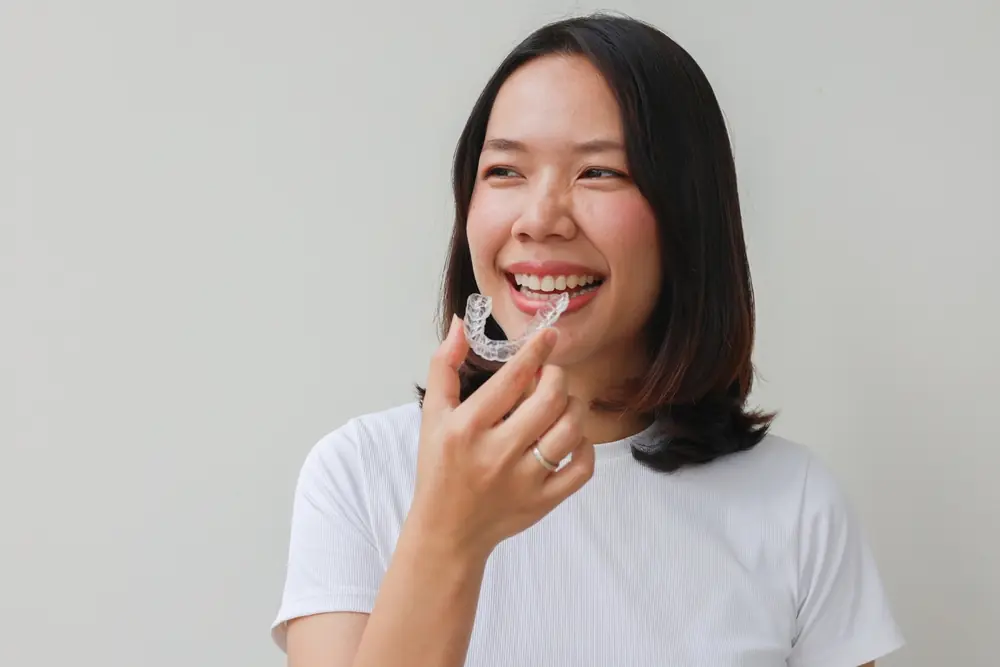
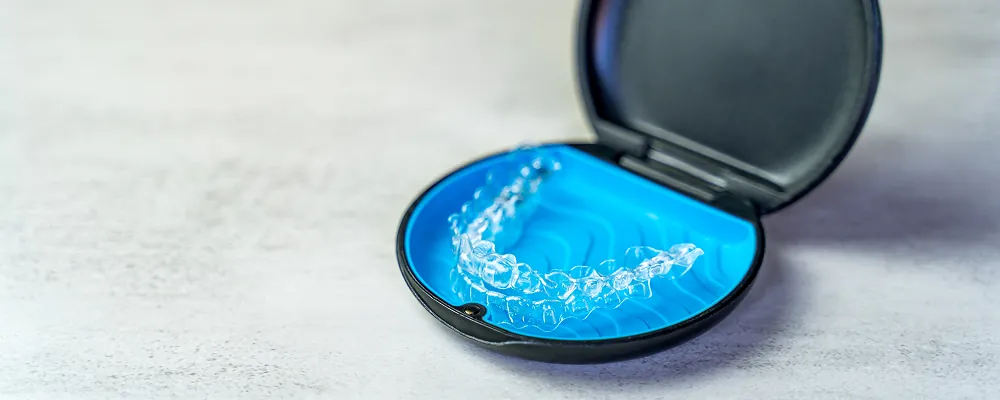
Snoring appliances work well for many people, but some find them bulky or uncomfortable. Others have dental work or jaw problems that make wearing one hard. NightLase gives these patients another path.
It also appeals to frequent travelers and busy parents in places like Aledo and Crowley who want a simple fix with no extra gear on the nightstand. We can talk through both options so you can choose what fits your life.
Some people even combine the two approaches. A laser series may make a snoring appliance more effective, or allow a softer jaw setting that feels better at night.
Getting ready for your session
There is very little to prepare. Eat a normal meal beforehand, and plan to avoid very hot drinks and spicy food for the rest of the day in case your throat feels slightly warm. You do not need a driver, since no sedation is used.
Tell us about any medicines you take, recent sore throats, or past surgery on your nose or throat. If you have a cold or a sore throat on the day of your visit, call us to reschedule. Treating healthy tissue gives the best chance of a good response. Most people find the visit relaxed, and some are surprised how quickly it is over.
NightLase may suit you if
- Your snoring keeps a partner awake
- You have been screened or cleared for sleep apnea
- Snoring mouthpieces feel uncomfortable to you
- You want a treatment with no downtime
- You prefer to avoid surgery
- You travel often and dislike packing sleep gear