




Fort Worth Periodontal is now Smiles Family Dental. Same Hulen St. office, same phone number, more ways to care for you. What's changing 3509 Hulen St., Suite 205(817) 737-0721
Smiles Family DentalFort Worth · Hulen St.
Protecting bone after extraction

Socket Preservation in Fort Worth

The months after a tooth comes out are when the jaw changes the most. Socket preservation fills the empty space right away to help keep the bone you have.

Socket Preservation at Smiles Family Dental in Fort Worth
When it is done
Same visit as extraction
Main goal
Keep bone width and height
Added chair time
Usually a few minutes
Healing before implant
Often 3 to 6 months

What happens to bone after a tooth is pulled

A tooth socket is surrounded by thin walls of bone that exist mainly to hold that tooth. Once the tooth is gone, the body begins to remodel the area. The outer wall, often the thinnest, can wear away quickly, leaving a narrow or caved-in ridge.

Much of this change happens in the first few months. Without help, the site may end up too thin for an implant, or a bridge may look like it is floating above a dip in the gum.

These changes are not just cosmetic. A narrow ridge can limit where an implant can go, change how a bridge fits, or make a denture less stable. Keeping the bone in place protects your future options.

How socket preservation helps

With socket preservation, the empty socket is cleaned and filled with bone graft material right after the extraction. A thin membrane or collagen plug may cover the top to hold the graft in place while the gum heals over it.

The graft acts like a placeholder. As your body heals, it slowly replaces the material with its own bone. The ridge keeps more of its original shape, which makes later treatment simpler and often avoids a larger graft down the road.

Most patients do not feel any difference between an extraction with a graft and one without. The extra step is quick, and it is done while you are already numb.
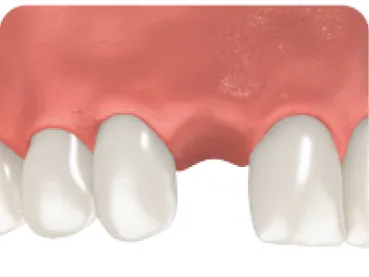
Without a graft, the bone where a tooth was removed often shrinks.

Socket preservation in Fort Worth before an implant

Many people who choose socket preservation in Fort Worth plan to replace the tooth with an implant. Keeping the bone full and wide gives the implant a stronger foundation and helps the gum around it look natural.

Sometimes an implant can go in right at the time of extraction. Other times, the site needs to heal first. We use a cone beam 3D scan to study the socket walls and decide which path is safer for you. For patients in Tanglewood or near TCU, that means the extraction, graft, and later implant can all happen at one nearby address.

Saving bone at the start also tends to make the implant visit shorter and more predictable.

When it may not be needed

Socket preservation is not required for every extraction. If you are not planning to replace the tooth, as is common with wisdom teeth, there is usually no need. If an implant is being placed the same day, graft material may be packed around the implant instead.

We talk through your plans for the space before the tooth comes out. That way, you are not surprised by an extra step, and you can make the choice that fits your goals and budget.

We also consider your health history. Some medications and medical conditions affect how bone heals, and we factor those in when deciding whether a graft is likely to help.

Healing after an extraction with a graft

Healing feels a lot like a normal extraction. Expect some soreness and swelling for a few days. You may see a few small grains of graft material, which is not a concern in small amounts.

Avoid rinsing hard, spitting, or using straws for the first day or two so the area can form a protective clot. Stick with soft foods and chew on the other side. We will see you for a check to make sure things are closing well.

If you are getting a front tooth removed, ask about temporary options so you are not left with a visible gap while you heal. A removable flipper or a bonded temporary tooth can keep you comfortable at work and around family until your permanent replacement is ready.

Planning ahead saves steps

It is much easier to keep bone than to rebuild it later. A socket graft at the time of extraction is usually smaller and simpler than a full ridge graft months afterward. If there is a chance you will want an implant someday, it is worth asking about socket preservation before the tooth is removed.

Smiles Family Dental gives every patient a written treatment plan before care begins. You will see what each step involves so you can decide without pressure.

Ask about socket preservation if

  • A tooth needs to come out and you want to replace it
  • You are planning a dental implant in the near future
  • A front tooth is being removed and appearance matters
  • A 3D scan shows thin bone around the tooth
  • You want to keep your replacement options open

At our Hulen St. office

What to expect, step by step

  1. Plan before the extraction

    We review your goals and scan the area so the graft is ready if needed.

  2. Gentle tooth removal

    The tooth is removed carefully to protect the surrounding bone walls.

  3. Fill and cover

    Graft material fills the socket, and a membrane or collagen plug covers it.

  4. Heal and evaluate

    After a few months, imaging shows whether the site is ready for an implant.

Patient questions

Socket Preservation: common questions

Straight answers from our Fort Worth team. If your question is not here, call and ask. We are happy to talk it through.

Do I need socket preservation after every extraction?

Socket preservation is not needed after every extraction. It is mainly recommended when you plan to replace the tooth with an implant or bridge, or when keeping bone in a visible area matters. It is usually skipped for wisdom teeth or teeth you do not plan to replace. Your Fort Worth periodontal team will explain whether a graft makes sense before the extraction.

Does socket preservation make the extraction more painful?

Socket preservation usually adds little discomfort beyond the extraction itself. Both are done with local anesthetic, and sedation is available. Afterward, soreness and swelling typically last a few days and are managed with pain relievers, cold packs, and soft foods. Recovery generally feels similar to a standard tooth removal.

Is socket preservation covered by insurance?

Some dental insurance plans cover part of socket preservation, while others treat it as part of implant care with different limits. The cost depends on the graft material, whether a membrane is used, and how many sites are treated. Benefits are checked in advance, and Smiles Family Dental accepts FSA and HSA cards and offers financing and a savings plan.

How long after socket preservation can I get an implant?

Most patients can have an implant placed about three to six months after socket preservation, once the graft has matured into a stable base of bone. Healing time varies with the size of the socket, the material used, and your overall health. A follow-up scan at our Fort Worth office helps confirm the site is ready.

What is the difference between socket preservation and a bone graft?

Socket preservation is a type of bone graft placed in a fresh socket at the time of extraction to limit bone loss. A general bone graft can also be done months or years later to rebuild bone that has already shrunk. Preserving bone right away is usually simpler and less involved than rebuilding it later.

What happens if I skip socket preservation?

If you skip socket preservation, the jawbone in that area will naturally shrink, often the most in the first several months. This may not matter if you never plan to replace the tooth. If you want an implant later, you may need a larger bone graft first, which can add time, cost, and an extra healing period.

Paying for socket preservation

We file insurance for you, accept FSA and HSA cards, offer monthly financing and have an in-house savings plan for patients without dental insurance.

See payment options
Fort Worth · Hulen St.

Ready when you are.

Call our Hulen Street office or request a time online. We will review your insurance, explain every option in plain language and give you a written plan before anything starts.