



How LANAP works
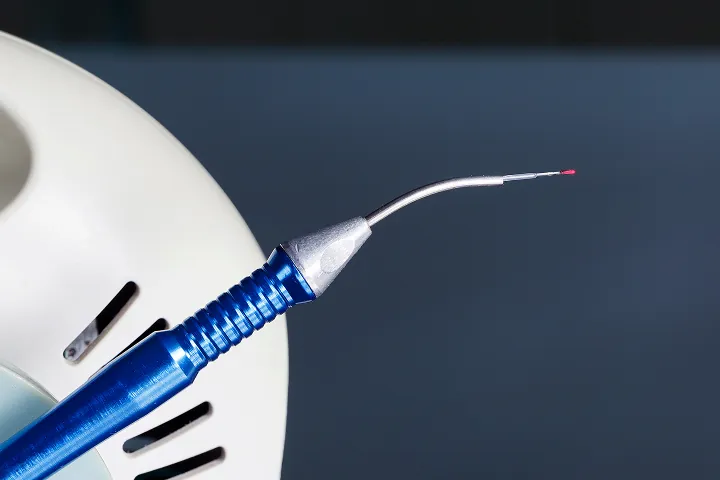
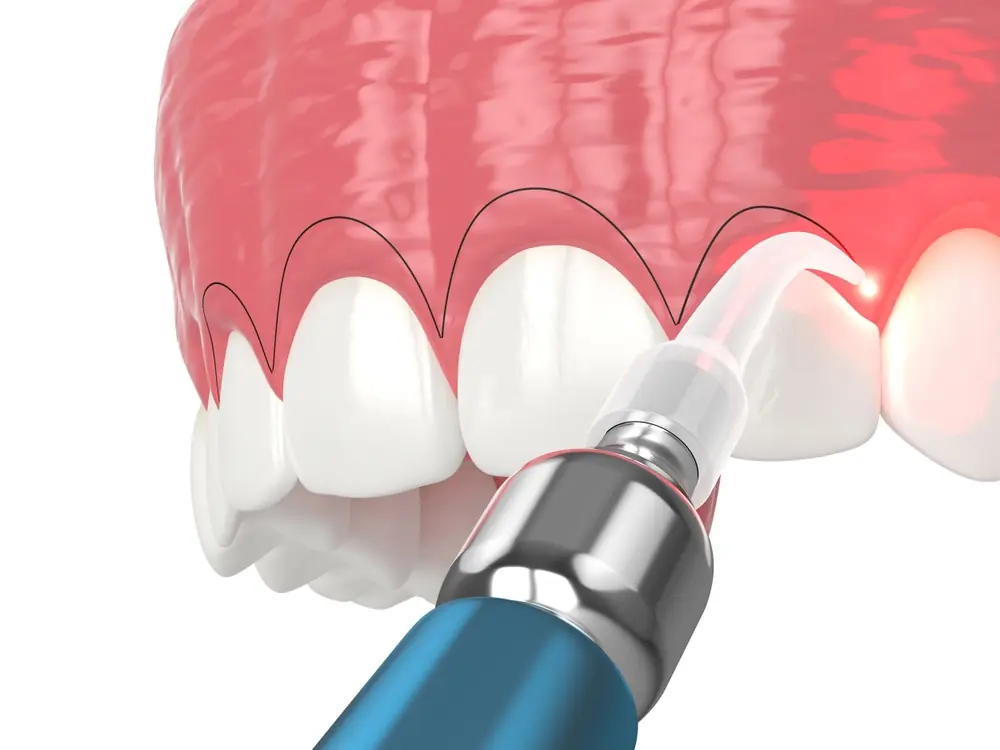
LANAP stands for laser-assisted new attachment procedure. It follows a set protocol using a type of laser designed for gum treatment. The laser fiber is very thin, so it slips into the pocket between gum and tooth without any cutting.
First, the laser light clears out bacteria and diseased tissue lining the pocket. Next, the roots are cleaned of tartar with ultrasonic tools. A second pass of the laser helps form a stable blood clot that seals the pocket while the gum reattaches. Finally, the bite is checked and adjusted so loose teeth are not under extra stress while they heal.
LANAP compared with traditional gum surgery
Older gum surgery often means cutting the gums back, cleaning the roots, trimming tissue, and stitching it into a new position. It works, but it can leave gums lower than before and teeth looking longer. Recovery can take a while.
With LANAP, the gum tissue stays in place. Patients often report less discomfort and less gum shrinkage. Because the laser removes diseased lining without cutting away healthy gum, more of the natural gumline is preserved.
- No cutting of gum flaps in most cases
- Less gum recession after healing for many patients
- Little bleeding during the procedure
- Often workable for patients on blood thinners after a medication review
Who is a good candidate for LANAP in Fort Worth
LANAP laser gum treatment in Fort Worth is usually considered when pockets are deep enough that a deep cleaning alone may not be enough. It can also help patients who have had gum surgery before and do not want to repeat that experience, or those who are nervous about scalpels and stitches.
It is not the right fit for everyone. Some cases call for grafting, extraction, or a different approach. After your exam and x-rays, we will explain whether LANAP makes sense for you and what results to realistically expect.
Our team also considers your overall health. Because LANAP involves little bleeding and no large incisions, it can be a gentler option for some patients with medical conditions that make traditional surgery riskier. We review your health history and medications carefully, and we may check with your physician before scheduling.
Laser care across Smiles Family Dental
LANAP is one part of a broader laser program at Smiles Family Dental. Our practice also uses Fotona laser systems, including TwinLight, which can be used for certain gum treatments, and NightLase for snoring. Having several lasers gives our team more gentle ways to treat soft tissue problems.
For patients in Aledo or Crowley, that can mean one convenient office on Hulen St. for laser gum care, checkups, and follow-up visits.
Healing after LANAP
Most patients go back to work or normal activities the next day. You will eat a soft or liquid diet for the first few days, then slowly add firmer foods over the following weeks. Gums may look darker or slightly gray at first. That is healing tissue, and it fades as it matures.
Bone and attachment changes happen slowly. Improvements in pocket depth are often measured over several months, and x-ray changes can take a year to show. Patience pays off here. Keeping up with maintenance visits protects the results while your body does its work.
Setting honest expectations
LANAP is a well-studied option, but it is not a shortcut around good home care. The laser treats the infection that is there today. Plaque begins to form again within hours, so daily brushing, cleaning between teeth, and regular maintenance visits are still the backbone of long-term success.
Results also vary from person to person. Smokers, people with uncontrolled diabetes, and teeth with very advanced bone loss may see less improvement. Some patients need a touch-up in a stubborn area later on. We will tell you what is realistic for your mouth before you decide, and we will put the plan in writing so you can review it at home. If LANAP does not seem like the best fit, we will explain the other paths, including traditional surgery, grafting, or continued nonsurgical care, and why each one might make sense.
LANAP may suit you if you have
- Moderate to deep pockets around several teeth
- Gum disease that returned after a deep cleaning
- Loose teeth caused by bone loss
- Worry about scalpels, stitches, or long recovery
- A wish to keep as much natural gum as possible
- A medical history that makes traditional surgery harder