



How an implant replaces a tooth
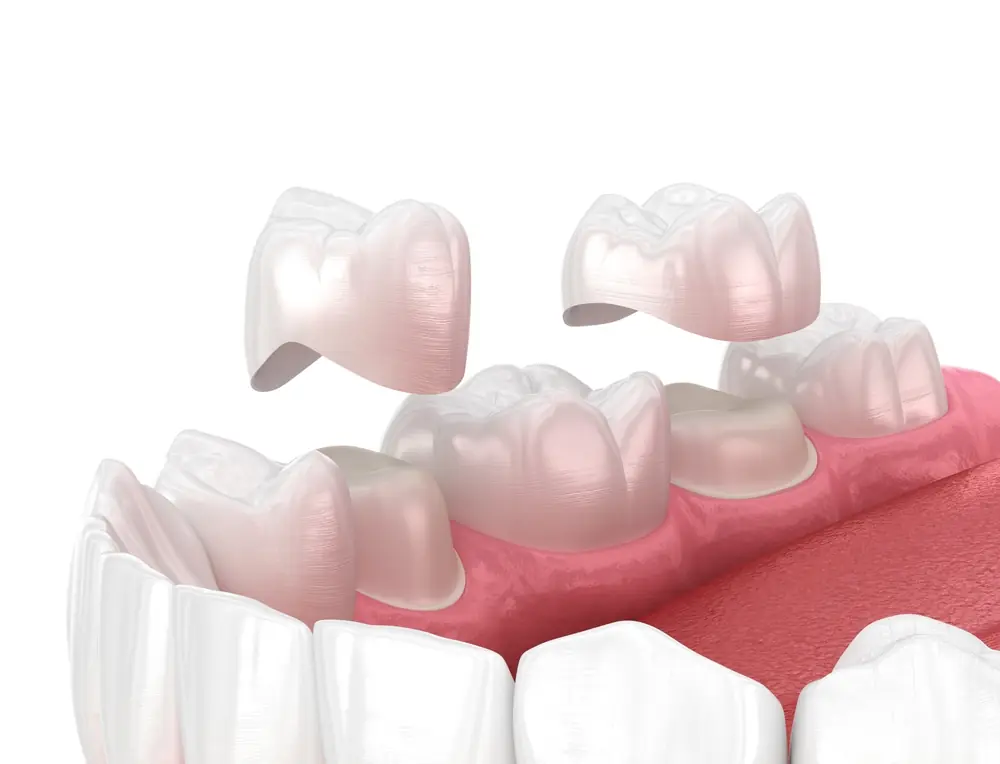
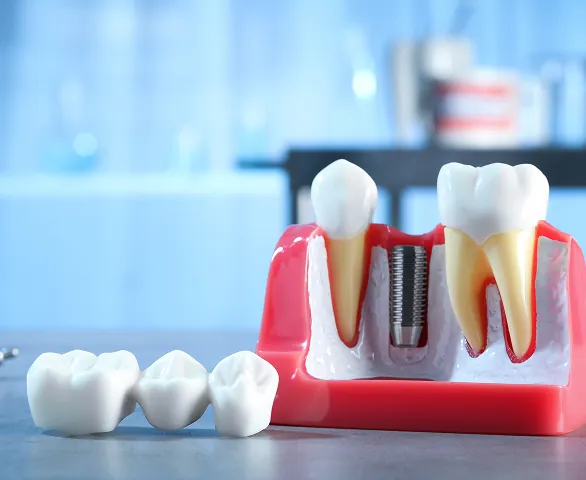
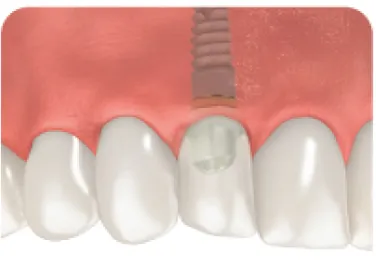
Every natural tooth has two parts. There is the crown you see, and there is the root that anchors it in bone. When a tooth is lost, both parts are gone. A bridge or a denture only replaces the visible part. An implant replaces the root as well.
The implant itself is a short post, usually titanium, that sits inside the jaw. Over a few months, bone grows tightly around its surface. Dentists call this osseointegration. Once that bond forms, the post can hold a connector piece called an abutment, and the abutment holds your new tooth. Because the post is fixed in bone, it can handle normal biting forces. It also gives the jaw a reason to keep its shape, since bone tends to shrink where a root used to be.
Your options, from one tooth to a full smile
There is no single implant plan that fits everyone. The right choice depends on how many teeth are missing, the health of the teeth that remain, your bone, your budget, and how you want your smile to feel day to day. We walk through each option with you and put the plan in writing before anything begins.
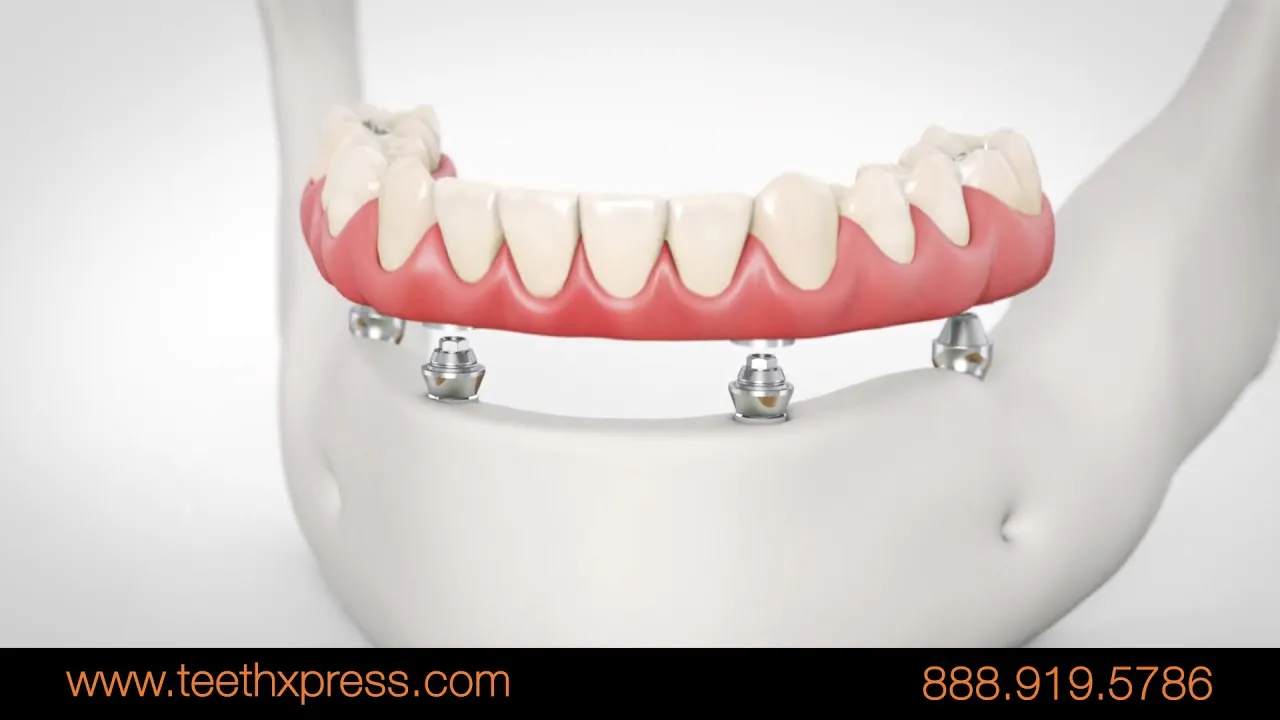
For patients who already wear a denture and are tired of it slipping, a few implants can turn a loose plate into one that snaps firmly in place. For patients facing the loss of most or all teeth, a full-arch approach can replace an entire upper or lower set on as few as four to six implants.
Many people start with one implant and add more later as other teeth need attention. Others combine treatments, such as an implant on one side and a crown on the other. Your plan can grow with you, and we map out the order of care so each step supports the next.
- Single implant: one post and one crown for one missing tooth
- Implant bridge: two posts support three or more teeth in a row
- Implant dentures: a removable denture that clips onto implants
- Full-arch implants: a fixed set of teeth that stays in
- Same-day teeth: a temporary fixed set placed at surgery when suitable
Why a periodontal office is a strong choice for dental implants in Fort Worth, TX
This Hulen St. location built its local reputation on gum health and implant work. That history matters. An implant does not decay the way a tooth does, but the gum and bone around it can still become inflamed. Long-term success depends on the foundation as much as on the post.
A team that treats gum disease every day tends to look closely at the tissue around a planned implant site. We check for active infection, measure gum pockets, and look at how much firm gum covers the area. If gum disease is present elsewhere in the mouth, we usually treat it first, because bacteria from an infected pocket can affect a new implant too. When the gum around an implant is thin, a small graft can add a sturdier collar of tissue.
As part of Smiles Family Dental, the Fort Worth office also has access to the tools our group uses across DFW, including cone beam 3D imaging, digital scanners, and Yomi robot-assisted surgery. Your implant care, restoration, and future cleanings can all happen under one roof.
When bone grafting is needed first
Solid, healthy jawbone is what holds an implant steady. After a tooth has been missing for a while, the jaw in that spot often gets thinner or shorter. Long-term gum disease can also wear bone away. If our 3D scan shows there is not quite enough, we may suggest a bone graft.
Grafting adds bone material, either from a donor source or a synthetic one, to rebuild the area. Sometimes it can be done the same day the implant goes in. Other times it is done when a tooth is removed, to keep the socket from collapsing, or as its own step a few months ahead of the implant. In the upper back jaw, a sinus lift can add height where the sinus sits close to the bone. Not everyone needs a graft, and we explain why before recommending one.
Grafted bone needs time to mature, usually a few months, before it can hold an implant firmly. Patients who are told they lack bone sometimes assume implants are off the table. In our experience, that is often not the case. A careful scan and a little patience open the door for many people who were once turned away.
Planning that starts with a 3D scan
Guesswork has no place in implant surgery. Before your procedure, we take a cone beam CT scan that shows your jaw in three dimensions, along with nerves, sinuses, and bone density. A digital scan of your teeth replaces messy impressions for most patients.
From those images, your doctor plans the size, angle, and depth of each implant. For many cases, that plan can guide the Yomi robotic system, which helps keep the drill on the planned path during surgery. You get to see the plan, ask questions, and know the steps and costs ahead of time.
Living with your implants
Most people go back to work within a day or two after a single implant. Some swelling and tenderness are common for a few days and usually ease with over-the-counter pain relief. Soft foods help while the area heals.
Once your final tooth is in place, you brush and floss it like your other teeth. Regular cleanings matter, and people who have had gum disease in the past often need gum-focused cleanings every three to four months. Smoking, uncontrolled diabetes, and heavy grinding can raise the risk of problems, so we talk about those openly and help you plan around them.
Families from Westover Hills, Benbrook, and the neighborhoods around TCU visit our Hulen St. office for the full path, from the first scan to years of follow-up care. If you are unsure whether implants are right for you, a consultation costs you nothing in commitment. You leave with clear answers and a written plan, and the decision stays yours.
Implants may be a good fit if you
- Have one or more missing teeth
- Have a tooth that cannot be saved
- Wear a denture that slips or rubs
- Want to avoid shaving down healthy teeth for a bridge
- Notice your face or jaw changing shape after tooth loss
- Are in good general health and willing to keep up cleanings