



Fort Worth Periodontal is now Smiles Family Dental. Same Hulen St. office, same phone number, more ways to care for you. What's changing 3509 Hulen St., Suite 205(817) 737-0721
Smiles Family DentalFort Worth · Hulen St.
Restorative care

Dental Crowns in Fort Worth

A crown covers a damaged tooth and lets you bite with confidence again. We match the shade to your smile and use digital scans for a comfortable fit.

Dental Crowns at Smiles Family Dental in Fort Worth
Visits needed
Usually 2
Common materials
Zirconia, porcelain, or gold
Numbing
Local anesthetic
Typical lifespan
Often 10–15 years or more

When a filling is no longer enough

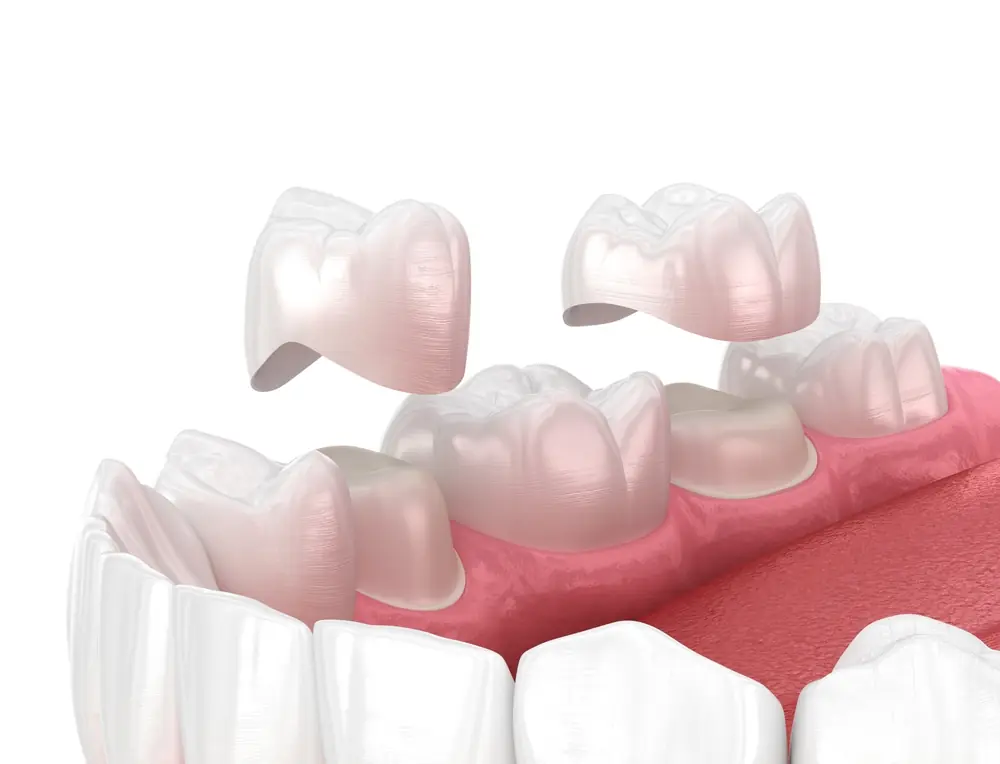
Fillings work well for small cavities. When a large part of a tooth is missing or weakened, though, a filling can leave thin walls that crack under pressure. A crown wraps around the whole tooth, holding it together like a helmet.

Your dentist may suggest a crown if a tooth has a crack line, a broken cusp, a very large old filling, or heavy wear from grinding. Back teeth that have had a root canal often need a crown too, since they can become brittle over time.

Crowns also serve a cosmetic role. A front tooth that is badly stained, oddly shaped, or covered in old fillings can be given a fresh, even look with a well-made crown. In those cases, your dentist may compare a crown with a veneer or bonding, depending on how much healthy tooth remains.

Choosing a crown material

Today most crowns are tooth-colored. The material your dentist recommends depends on where the tooth is, how hard you bite, and how much it shows when you smile.

  • Zirconia: very strong, a good fit for molars and grinders
  • Porcelain or glass ceramic: lifelike look for front teeth
  • Porcelain fused to metal: a long-used option with a metal core
  • Gold: durable and gentle on opposing teeth, though not tooth-colored

Each crown is shade-matched to your natural teeth.

Getting dental crowns in Fort Worth, TX: what to expect

At the first visit, your dentist numbs the area, removes any decay, and shapes the tooth so the crown can fit over it. Instead of trays of impression material, we usually take a quick digital scan with an iTero scanner. You go home with a temporary crown that protects the tooth.

A dental lab crafts your permanent crown from the scan. When it is ready, often within two to three weeks, you come back so we can remove the temporary, check the fit and color, and bond the final crown in place. We adjust your bite until it feels even.

Most people drive themselves home and return to their normal day after each visit. The numbness wears off within a few hours. Your new crown may feel slightly different to your tongue at first, and that sense usually fades within a few days as you get used to it.

Crowns and healthy gums

Because this office has deep roots in periodontal care, we pay close attention to where the edge of the crown meets the gum. A crown that fits snugly at the gumline is easier to clean and less likely to trap plaque. If a tooth is broken below the gumline, a minor procedure called crown lengthening can expose enough healthy tooth for the crown to grip.

Inflamed gums can also make it harder to get a clean, accurate scan. When needed, we calm the gums before starting crown work so the result lasts.

Making your crown last

Brush twice a day and floss around the crown like any other tooth. The tooth under a crown can still get a cavity at the edge, so daily cleaning matters. If you clench or grind at night, a custom night guard can protect both the crown and your natural teeth.

Avoid chewing ice, pens, or hard candy. Regular checkups let us spot wear or gum changes early. Patients across the Cultural District and Arlington Heights find our Hulen St. location an easy stop for these visits.

Crowns on implants and in bridges

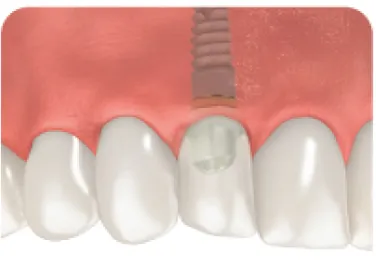
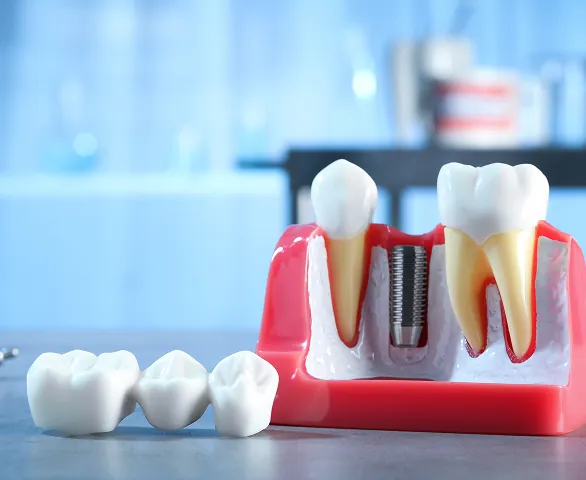
Crowns do more than repair damaged teeth. When an implant replaces a missing tooth, the part you see and chew with is a crown. It attaches to a connector on top of the implant instead of resting on a natural tooth. Implant crowns are designed with the gum line in mind so the tissue around them stays healthy and easy to clean.

Crowns also anchor most traditional bridges. The two teeth on either side of a gap are covered with crowns, and those crowns hold the replacement tooth in the middle. Because this office places and restores implants regularly, your dentist can talk through whether a single crown, a bridge, or an implant crown makes the most sense for a damaged or missing tooth.

Whatever type you need, the goal stays the same. Your crown should feel like your own tooth, line up evenly with your bite, and blend in when you smile.

You might need a crown if

  • A tooth is cracked or chipped
  • You have a large, old filling that is breaking down
  • A tooth hurts when you bite down
  • You recently had a root canal on a back tooth
  • A tooth is worn short from grinding
  • You are getting a dental implant or bridge
See the difference

Bridge or implant? Two ways to fill a gap

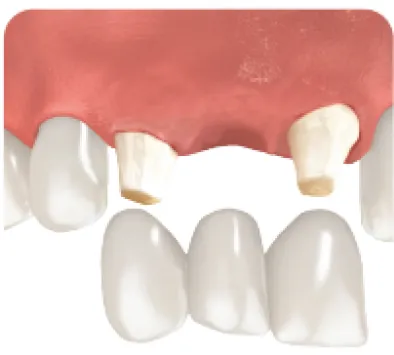
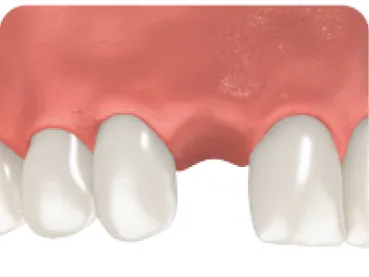
An untreated gap
An untreated gapNeighboring teeth drift and the bone under the gap slowly shrinks.
Traditional bridge
Traditional bridgeCrowns on the teeth beside the gap hold a false tooth in between.
Implant crown
Implant crownA standalone tooth on an implant that leaves neighboring teeth untouched.
At our Hulen St. office

What to expect, step by step

  1. Exam and x-rays

    We check the tooth, gums, and bite to confirm a crown is the right choice.

  2. Prepare and scan

    The tooth is numbed and shaped, a digital scan is taken, and a temporary crown goes on.

  3. Lab work

    A dental lab makes your permanent crown to match your bite and shade.

  4. Final fit

    We bond the new crown, polish it, and adjust your bite for comfort.

Patient questions

Dental Crowns: common questions

Straight answers from our Fort Worth team. If your question is not here, call and ask. We are happy to talk it through.

How much does a dental crown cost in Fort Worth?

A crown's fee mainly reflects the material chosen and the tooth being treated, plus any needed buildup, root canal, or gum care first. Our team checks your dental benefits and shows you the expected out-of-pocket amount in writing before we begin. Many insurance plans pay a share of crowns. If you lack coverage, our savings plan can help, and we also take FSA and HSA cards and offer payment plans.

Does getting a crown hurt?

Getting a crown usually does not hurt, because the tooth and surrounding gum are numbed before your dentist begins. You may feel pressure and vibration. Afterward, mild sensitivity to cold or slight gum tenderness is common for a few days and generally fades on its own. Over-the-counter pain relief helps if needed, and sedation is available for anxious patients.

How long does a dental crown last?

A dental crown often lasts 10 to 15 years, and many last longer with good care. Lifespan depends on the material, your bite, grinding habits, and how well you clean around the crown edge. Daily brushing and flossing, routine checkups, and a night guard for teeth grinders all extend a crown's life.

Can a crowned tooth still get a cavity?

Yes, a crowned tooth can still get a cavity. The crown itself does not decay, but the natural tooth underneath can, usually where the crown meets the gumline. Plaque that sits at that edge is the main cause. Daily brushing and flossing and regular dental cleanings are the best way to keep the tooth beneath a crown healthy.

What can I eat with a temporary crown?

With a temporary crown, stick to softer foods and chew mostly on the other side. Avoid sticky foods like caramel and gum, and hard foods like nuts or ice, which can pull off or crack the temporary. When flossing, slide the floss out sideways instead of popping it up. If the temporary comes off, call the office so it can be recemented.

Will my crown match my other teeth?

A tooth-colored crown is shaded to blend with your natural teeth. Your dentist selects the shade in good lighting and shares it with the dental lab. If you plan to whiten your teeth, it is best to do so before getting a front crown, because crown materials do not change color with whitening treatments.

Paying for dental crowns

We file insurance for you, accept FSA and HSA cards, offer monthly financing and have an in-house savings plan for patients without dental insurance.

See payment options
Fort Worth · Hulen St.

Ready when you are.

Call our Hulen Street office or request a time online. We will review your insurance, explain every option in plain language and give you a written plan before anything starts.