




Restorative Dentistry in Fort Worth
Repair cracked, worn, infected or missing teeth so you can chew, speak and smile with confidence again. We aim to save natural teeth whenever we can.

Restorative Dentistry at our Hulen Street office
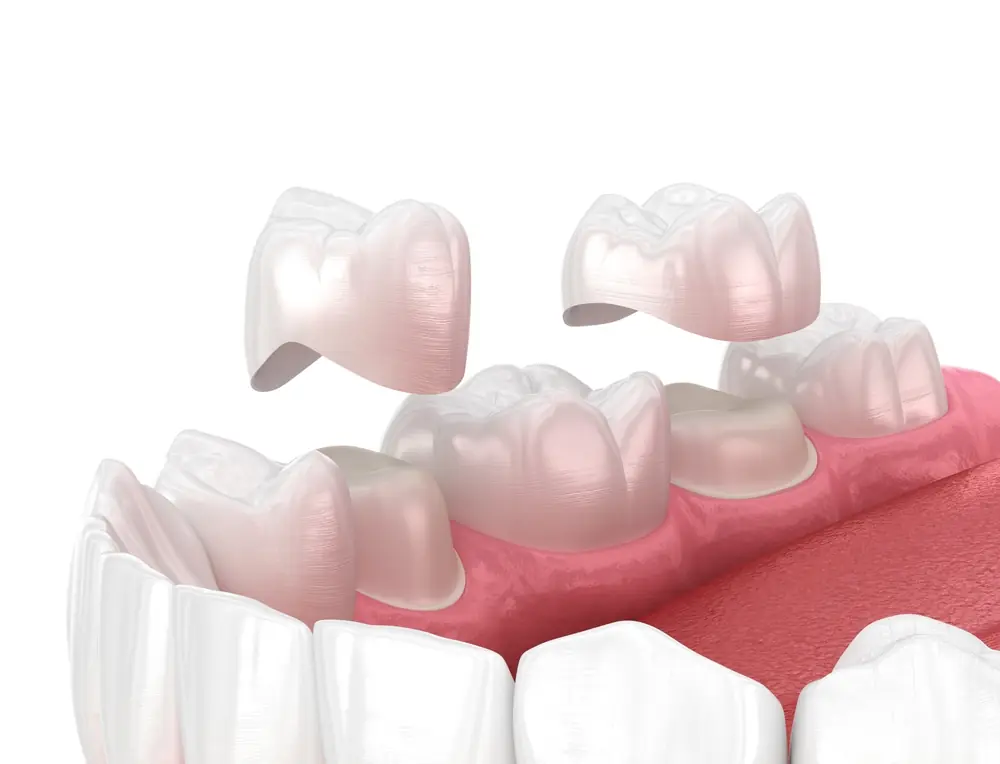 RestorativeDental CrownsA crown covers a damaged tooth and lets you bite with confidence again. We match the shade to your smile and use digital scans…Learn more
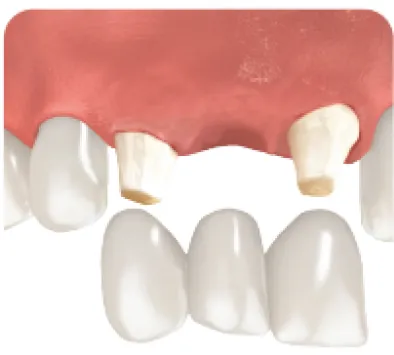
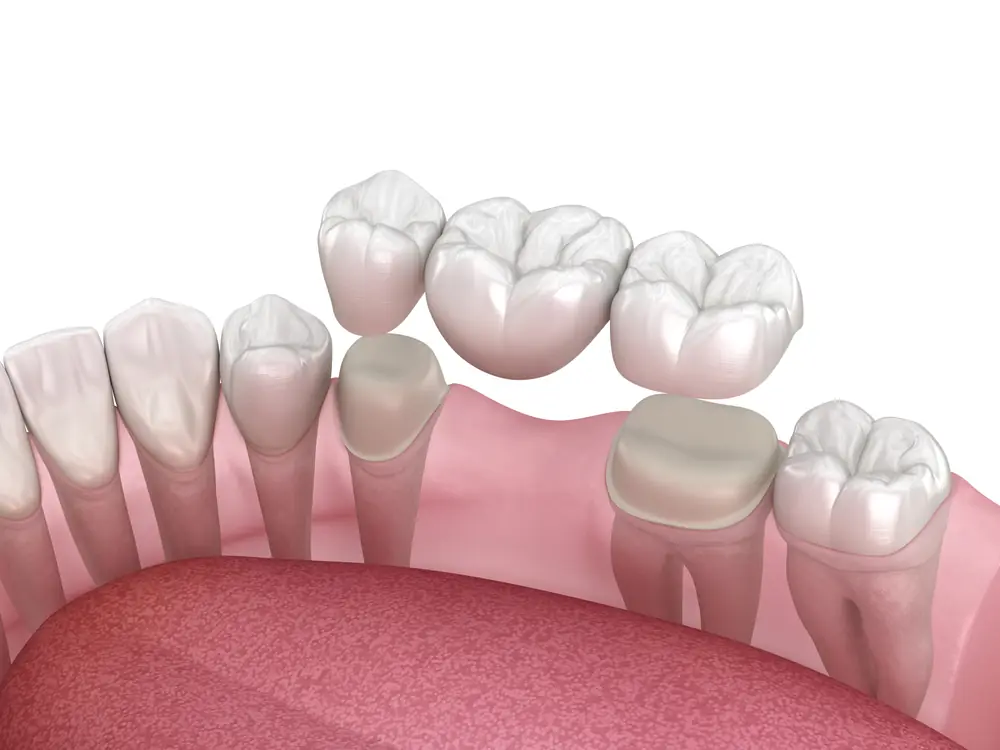 RestorativeDental BridgesA gap in your smile can let nearby teeth drift and make chewing harder. A bridge fills that space with a fixed replacement that…Learn more
 RestorativeDenturesDentures remain one of the most practical ways to replace missing teeth. We take time to shape yours so they look natural, feel…Learn more RestorativeRoot Canal TherapyA throbbing tooth can take over your whole day. Root canal therapy clears out infection, eases the pain, and lets you keep the…Learn more
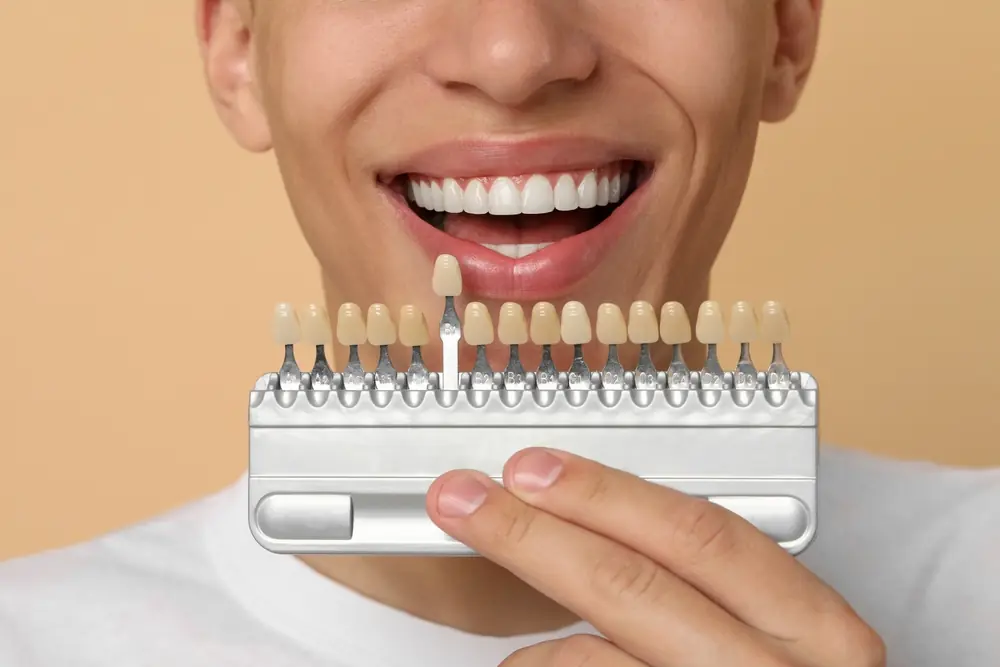 RestorativeDental BondingSmall chips and gaps can bother you every time you look in the mirror. Bonding fixes many of them in a single visit, usually with…Learn more
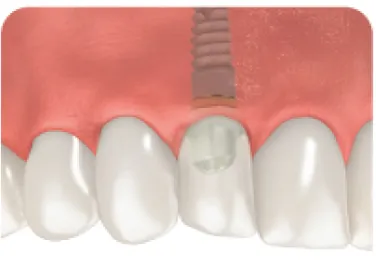
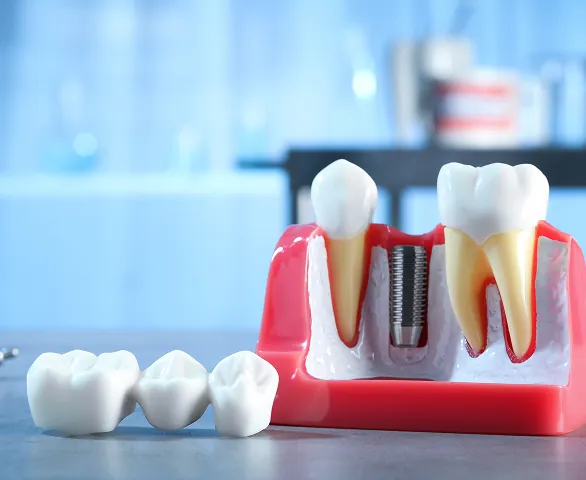 ImplantsDental ImplantsA missing tooth affects how you chew, speak, and smile. Our Hulen St. office plans each implant around healthy gums and solid…Learn more
Saving the tooth comes first
A tooth that hurts or has broken is not always a lost cause. A root canal can clear infection from inside it, and a crown can hold a cracked tooth together for years. We explain what it would take to keep the tooth and what happens if you choose to remove it.
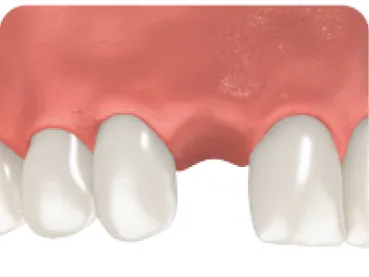
When a tooth truly cannot be saved, we plan the replacement before or at the time it comes out. That might be a bridge, a partial denture or an implant, depending on your bone, budget and the teeth around it.
Materials that look like teeth
Most of our crowns and fillings are tooth-colored, so repairs blend in with your smile. We match shade and shape to your neighboring teeth and check your bite carefully so the new surface wears evenly.
Because our Hulen Street office also focuses on gum health, we check the gums around every restoration. Healthy gum margins help crowns and bridges stay sealed and comfortable.
Bridge or implant? Two ways to fill a gap
Restorative Dentistry: common questions
Should I get a crown or a filling?
Small areas of decay can usually be repaired with a tooth-colored filling. When a large part of the tooth is missing, cracked or has had a root canal, a crown is often the better choice because it covers and protects the whole tooth. We show you the x-ray and explain why we recommend one or the other.
Is a root canal better than pulling the tooth?
In most cases, saving a natural tooth with a root canal and crown is better for chewing and for the jawbone. Removing the tooth means you will likely want a bridge or implant later to fill the gap. We review both paths and their costs so you can decide.
What are my options if I have several missing teeth?
Options include a removable partial denture, a fixed bridge, implant-supported bridges or, when most teeth are missing, a full denture or full-arch implants. The right choice depends on your bone, gums, budget and how stable you want the teeth to feel.
Does insurance help pay for restorative care?
Many dental plans pay part of the cost of fillings, crowns, root canals, bridges and dentures. We file claims for you and give you a written estimate before treatment. Financing, FSA and HSA funds and our savings plan can help with the rest.

Ready when you are.
Call our Hulen Street office or request a time online. We will review your insurance, explain every option in plain language and give you a written plan before anything starts.